A semi-truck breakdown can wreck a delivery schedule fast. One bad decision can turn a manageable roadside problem into hours of downtime, missed loads, and expensive recovery costs. The biggest question drivers and fleet managers face is simple: does the truck need roadside repair, or does it need towing?
Some problems can be repaired safely where the truck sits. Others require immediate heavy-duty towing because the vehicle is no longer safe to operate. Knowing the difference helps reduce downtime, avoid unnecessary costs, and keep drivers safer on the road.
This guide explains when roadside truck repair makes sense, when towing becomes necessary, and how to make the right call during an emergency.
Quick Takeaways
- Roadside repair works for many common semi-truck breakdowns
- Heavy-duty towing is necessary when the truck becomes unsafe or immobile
- Mobile truck repair can often prevent expensive towing costs
- Brake failures, axle damage, and major drivetrain problems usually require towing
- Fast decisions help reduce downtime and protect delivery schedules
Roadside Repair vs Towing: What’s the Difference?
Roadside truck repair focuses on fixing the problem where the breakdown happens. A mobile diesel mechanic comes to the truck with diagnostic equipment, tools, and replacement parts. They help get the vehicle back on the road.
Heavy-duty towing is different. Towing moves the truck to a repair facility when the issue cannot be repaired safely onsite.
In simple terms:
- Roadside repair keeps the truck where it is
- Towing transports the truck somewhere else for larger repairs
The correct choice depends on the severity of the problem and whether the truck can safely operate after repairs.
Problems That Usually Can Be Fixed With Roadside Repair
Many truck breakdowns do not require towing at all. Modern mobile truck repair services can handle a wide range of roadside issues.
Common roadside repair situations include:
- Dead batteries
- Fuel delivery problems
- Air line leaks
- Minor electrical failures
- Starter issues
- Alternator problems
- Forced DPF regens
- Trailer ABS problems
- Lighting issues
These repairs are often completed faster and cheaper than arranging heavy-duty towing.
Why Roadside Repair Often Saves Time and Money
Heavy-duty towing is expensive, especially for loaded tractor-trailers. Roadside repair can eliminate those transport costs while getting the truck operational faster.
Roadside service also helps:
- Reduce downtime
- Avoid missed delivery windows
- Prevent cargo transfer delays
- Keep fleets moving efficiently
For many fleets, avoiding unnecessary towing directly protects profits.
Signs Your Semi-Truck Needs Towing Instead
Some breakdowns go beyond what roadside repair can safely handle. In those situations, towing becomes the safest option.
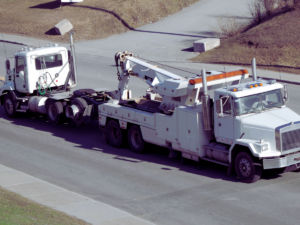 A semi-truck usually requires towing when there is:
- Severe engine damage
- Transmission failure
- Wheel-off damage
- Broken axles
- Steering failure
- Major coolant loss
- Unsafe brake system damage
- Accident or rollover damage
If the truck cannot operate safely, it should not stay on the road.
Safety Always Comes First
Trying to drive a severely damaged truck can create major safety risks. It can also lead to DOT violations, additional mechanical damage, and serious accidents.
A professional towing and roadside repair provider can decide if the truck should stay onsite or go to a repair shop.
How Mobile Truck Repair Helps Avoid Unnecessary Towing
Mobile truck repair services can now handle far more than simple roadside assistance calls.
Many mobile diesel mechanics carry:
- Diagnostic scan tools
- Air system repair equipment
- Battery testing systems
- Electrical repair tools
- Common replacement parts
That allows many semi-truck repairs to happen onsite without waiting for a tow truck or transporting the vehicle to a shop.
For fleets and owner-operators, that means:
- Less downtime
- Lower emergency costs
- Faster turnaround times
- Fewer delivery disruptions
The True Cost of Towing vs Roadside Repair
The repair bill is only part of the cost during a breakdown.
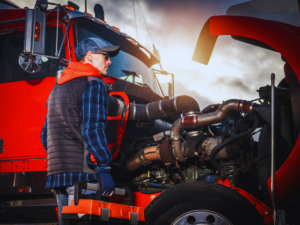 Downtime creates additional expenses like:
- Missed loads
- Delayed deliveries
- Driver idle time
- Customer penalties
- Dispatch disruptions
Heavy-duty towing costs can also increase based on:
- Distance
- Cargo weight
- Recovery difficulty
- Truck size
In many situations, fast roadside repair is the more cost-effective option.
How Fleet Managers Handle Breakdowns Efficiently
Fleet managers understand that breakdown response directly affects profitability.
Strong breakdown strategies usually include:
- Trusted roadside repair providers
- 24-hour towing access
- Emergency response plans
- Preventive maintenance programs
- Fast communication procedures
The goal is simple: reduce downtime and get trucks moving safely again.
What To Do Immediately After a Semi-Truck Breakdown
The first few minutes after a breakdown matter.
Drivers should:
- Move to a safe location if possible
- Turn on hazard lights
- Set warning triangles
- Document warning lights and symptoms
- Contact a professional roadside repair or towing provider
- Avoid driving if the truck feels unsafe
Quick action helps prevent additional damage and improves response times.
FAQs
What truck problems can roadside repair fix?
Roadside repair can often fix batteries, air leaks, electrical issues, fuel delivery problems, forced regens, and other moderate mechanical failures.
When should a semi-truck be towed instead of repaired roadside?
A truck should be towed when it has major engine damage, transmission failure, unsafe brake problems, axle damage, or severe accident damage.
Is roadside repair cheaper than heavy-duty towing?
In many situations, yes. Roadside repair can eliminate towing expenses and reduce downtime costs.
Can mobile truck repair fix brake problems?
Minor brake issues may be repairable roadside. Severe brake system failures usually require towing for safety reasons.
How long does heavy-duty towing usually take?
Response times vary depending on location, traffic, weather, and truck condition. Emergency towing providers typically prioritize disabled commercial vehicles quickly.
What should drivers do while waiting for roadside assistance?
Drivers should stay in a safe location, keep warning devices active, and avoid attempting unsafe roadside repairs themselves.
24-Hour Heavy-Duty Towing and Roadside Repair in Houston, TX
 When your truck stops moving, Ferguson Truck Center gets your operation moving again.
Ferguson Truck Center provides 24-hour towing and roadside truck repair services throughout Houston, TX and surrounding areas. Whether your semi-truck needs onsite roadside repair or emergency heavy-duty towing, our team responds quickly to help reduce downtime and keep your operation running.
From air system problems and electrical failures to major breakdowns that require towing, Ferguson Truck Center helps drivers, owner-operators, and fleet managers get back on the road safely and efficiently day or night.