Semi truck coolant plays a critical role in keeping heavy-duty diesel engines operating safely and efficiently. A semi-truck engine generates tremendous heat while hauling heavy loads over long distances. Without the proper coolant circulating through the engine, that heat can quickly build to dangerous levels.
Coolant helps regulate engine temperature while protecting key components like the radiator, water pump, and cylinder head from corrosion and damage. When coolant levels drop or the coolant becomes contaminated, the cooling system can no longer remove heat effectively.
For truck drivers, owner-operators, and fleet managers, poor coolant care can cause overheating, engine damage, and downtime. Understanding how semi truck coolant works, and how to maintain it, can help prevent serious diesel engine problems. It also helps keep commercial trucks on the road.
Quick Takeaways
 Semi truck coolant regulates engine temperature and prevents overheating
- It protects diesel engines from corrosion, cavitation, and scale buildup
- Many modern trucks use extended life coolant based on organic acid technology
- Low coolant levels or contaminated coolant can cause serious diesel engine damage
- Routine coolant checks are an essential part of heavy duty diesel engine maintenance
- Regular cooling system inspections help prevent breakdowns and expensive repairs
What Is Semi Truck Coolant?
Semi truck coolant is a specialized liquid used in the cooling system of heavy-duty diesel engines. Its primary job is to absorb heat generated by the engine and carry it away to the radiator, where the heat can dissipate.
Coolant circulates continuously through the engine block, cylinder head, and radiator while the engine runs. This process keeps the engine operating within a safe temperature range.
While people often use the terms coolant and antifreeze interchangeably, coolant is typically a mixture of antifreeze and water along with protective additives. These additives help prevent corrosion, rust, and internal damage inside the cooling system.
Heavy-duty diesel engines require specially formulated coolant designed for commercial trucks. These heavy duty coolant formulas contain additives that protect engine liners, prevent cavitation, and support the high heat demands of diesel engines.
Why Coolant Is Critical for Semi Truck Engines
Coolant does more than simply control temperature. It protects several essential parts of the engine and cooling system.
Temperature Regulation
A semi-truck engine produces large amounts of heat during combustion. Coolant absorbs this heat and transfers it to the radiator, where airflow helps release it. Without proper coolant circulation, engine temperatures would rise rapidly and cause overheating.
Corrosion Protection
Coolant contains chemical inhibitors that protect metal components inside the cooling system. These inhibitors prevent rust and corrosion inside the radiator, engine block, hoses, and other cooling components.
Cavitation Protection
Diesel engines can experience cavitation—tiny bubbles that collapse with force inside the cooling system. Over time, cavitation can damage cylinder liners and other internal components. Proper coolant chemistry helps reduce this risk.
Lubrication for Cooling Components
Coolant also provides lubrication for certain cooling system components such as the water pump. Proper lubrication reduces wear and helps extend the life of the cooling system.
Types of Coolant Used in Semi Trucks
Several types of coolant are used in modern heavy-duty diesel engines. Each type offers different protection levels and maintenance requirements.
Conventional Heavy-Duty Coolant
Traditional green coolant has long been used in diesel engines. This coolant requires the use of supplemental coolant additives (SCAs) to maintain proper corrosion and cavitation protection.
Because the additives break down over time, conventional coolant requires more frequent testing and replacement.
Extended Life Coolant (ELC)
Extended Life Coolant is now widely used in many semi trucks. ELC formulas use organic acid technology to provide long-term protection against corrosion and cavitation.
Compared with traditional coolant, ELC can last significantly longer before needing replacement. Many heavy-duty engines can operate for hundreds of thousands of miles before requiring a full coolant change.
Hybrid Organic Acid Technology (HOAT) Coolant
HOAT coolant combines the benefits of traditional coolant additives with organic acid technology. This blend offers strong corrosion protection while providing extended service intervals.
Some engine manufacturers recommend HOAT coolant for specific diesel engine models.
Signs Your Semi Truck Coolant System Has a Problem
Coolant problems can develop gradually, but they often produce warning signs drivers should watch for.
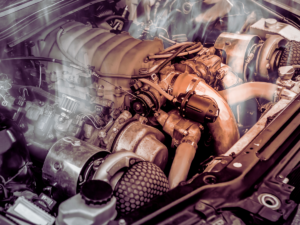 Engine Temperature Running Hot
If the temperature gauge rises higher than normal, the cooling system may not be circulating coolant effectively. This can indicate low coolant levels, blockages, or failing cooling components.
Low Coolant Levels
A drop in coolant levels can signal a leak somewhere in the cooling system. Even a small leak can eventually cause overheating.
Coolant Leaks Under the Truck
Coolant leaks may appear as puddles beneath the truck. Leaks often originate from hoses, radiators, or water pump seals.
Rust or Contamination in the Coolant
Discolored coolant may indicate rust, contamination, or degraded additives. Contaminated coolant cannot protect the cooling system effectively.
Sweet Smell From the Engine Bay
Coolant often produces a sweet odor when it leaks or evaporates near the engine. Drivers who notice this smell should inspect the cooling system immediately.
How Often Should Semi Truck Coolant Be Replaced?
Coolant replacement intervals vary depending on the type of coolant used and manufacturer recommendations.
Traditional heavy-duty coolant typically requires replacement every few years along with regular testing of supplemental additives.
Extended life coolant using organic acid technology can last significantly longer. In many heavy duty diesel engines, ELC can remain effective for hundreds of thousands of miles when properly maintained.
Even when coolant does not require immediate replacement, technicians should inspect coolant condition during routine diesel engine service. Monitoring coolant color, contamination, and additive levels helps ensure the cooling system continues to function properly.
Common Coolant System Problems in Semi Trucks
Several mechanical issues can disrupt coolant circulation and lead to overheating.
Radiator blockages caused by dirt, road debris, or bugs can prevent heat from escaping effectively. Water pump failures can stop coolant from circulating through the engine. Thermostat problems may restrict coolant flow between the engine and radiator.
Cooling fan failures can also reduce airflow across the radiator, preventing heat from dissipating properly.
If these issues go unnoticed, coolant cannot remove heat from the engine efficiently. This can eventually cause overheating and serious diesel engine damage.
Semi Truck Coolant Maintenance Tips
Routine maintenance helps keep the cooling system operating properly and prevents expensive engine failures.
Truck drivers and fleet operators should regularly monitor coolant levels to keep the cooling system properly filled. Checking coolant color can also help identify contamination or degraded coolant.
Technicians should inspect hoses, radiator components, and cooling system connections during scheduled maintenance. Cleaning radiator fins and airflow passages also helps improve cooling efficiency.
Routine coolant flushes are another important part of heavy duty diesel engine maintenance. Replacing old coolant ensures the cooling system continues to protect the engine from corrosion and overheating.
Why Coolant Maintenance Is Essential for Diesel Engine Service
Proper coolant maintenance plays a major role in overall diesel engine reliability.
When coolant is properly maintained, it helps prevent overheating and protects major engine components. This protection extends engine lifespan and reduces the risk of costly breakdowns.
For fleets and owner-operators, routine diesel engine service helps detect cooling system issues early. Catching these problems before they worsen can prevent roadside failures and expensive repairs.
Keeping the cooling system in good shape is one of the most important steps. It helps heavy duty diesel engines run safely and efficiently.
FAQ About Semi Truck Coolant
What coolant is used in semi trucks?
Most modern semi trucks use extended life coolant (ELC) formulated for heavy-duty diesel engines. These coolants typically use organic acid technology to provide long-lasting corrosion and cavitation protection.
How often should coolant be changed in a semi truck?
Coolant replacement intervals vary depending on the type of coolant used. Conventional coolant typically requires more frequent service, while extended life coolant can last significantly longer when properly maintained.
What happens if semi truck coolant is low?
Low coolant levels can prevent the cooling system from removing heat effectively. This can lead to overheating, engine damage, and failure of key components such as the radiator or water pump.
Can you mix different types of coolant in a diesel engine?
Mixing different coolant types is not recommended. Different coolant formulas use different additive packages, and mixing them can reduce corrosion protection and cooling efficiency.
What color coolant do semi trucks use?
Semi truck coolant can appear in several colors, including red, orange, yellow, and green. The color depends on the coolant type and manufacturer formulation rather than performance alone.
Get Professional Diesel Engine Service in Houston
 Cooling system issues often signal deeper mechanical problems that require professional diagnostics. Address coolant leaks, radiator damage, or water pump failures quickly to prevent major engine damage.
Drivers and fleet operators across Houston rely on Ferguson Truck Center when their trucks need dependable diesel engine repair. Our technicians specialize in diagnosing cooling system issues, coolant leaks, and overheating problems in semi-trucks and commercial diesel engines, helping drivers get back on the road quickly.
If your truck has coolant problems or cooling system failures, schedule diesel engine service with Ferguson Truck Center today. We proudly serve Houston, TX and the surrounding areas, helping commercial drivers keep their heavy duty trucks operating reliably.