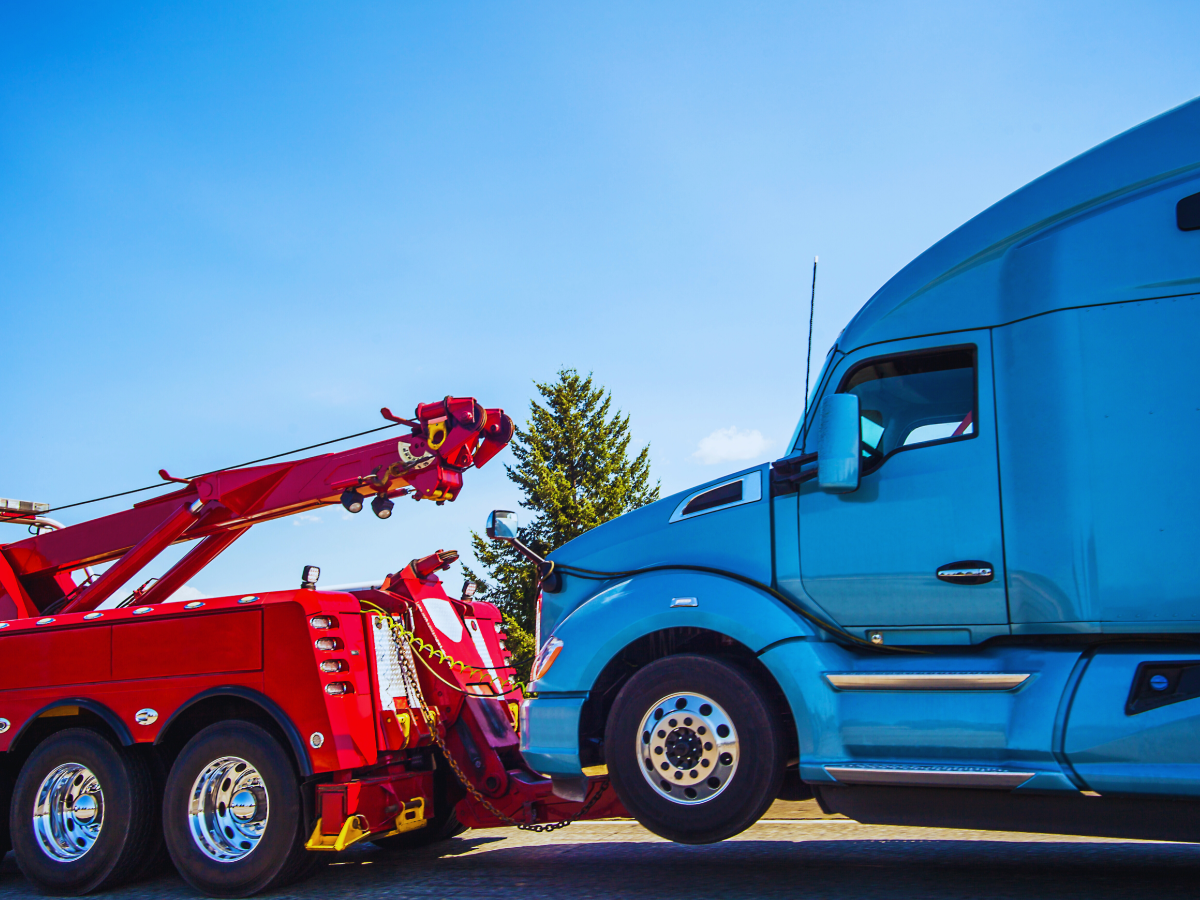
 Houston highways move fast. The traffic is heavy, the heat hits hard, and a semi truck breakdown never comes at a good time.
A truck driver feels the stress right away. You want to stay safe, protect the load, and get the truck off the road before the situation gets worse.
This guide shows you how to stay calm when your truck stops on I-10, I-45, Beltway 8, or any busy road in the city. It also helps you cut downtime and avoid bigger repair costs later.
Step 1 — Move to Safety Immediately
If the truck can still roll, guide it to the shoulder. Keep the wheel steady. Let the traffic move past you.
Houston drivers move fast, and the noise alone can rattle anyone, so take a breath and focus on distance. A stalled tractor trailer on the main lane is very dangerous. Accidents with stopped trucks can cause injuries, medical bills, and long legal cases. You want to avoid that situation.
If the truck cannot move at all, stay calm. Turn on hazards. Set the brakes. Look at the accident scene around you.
You might hear stories from accident experts or truck accident lawyers. Right now, your job is simple: protect yourself. Make sure other drivers see you and slow down.
Once the truck is stable, step out only when it is safe. Traffic in Houston can come out of nowhere. Treat every lane like an 18-wheeler accident waiting to happen.
Step 2 — Use Your Hazard Equipment
Turn on your flashers first. Then place your reflective triangles. Set one about 10 feet behind the truck, another around 100 feet back, and a third even farther if the sight line is short. This follows DOT spacing rules and gives drivers time to react.
Visibility matters. Houston has tight curves, tall concrete walls, and crowded feeder roads.
A truck driver who sets the scene well helps prevent truck crashes. You never know when a distracted driver will drift, and your triangles become the voice that says, “Slow down. Something is here.”
Step 3 — Do a Quick Visual Check
Once the scene is safe, take a slow walk around the truck. You do not need tools. You only need your eyes and a bit of patience.
Look for smoke. Look for a flat tire. Look for leaking coolant or fuel.
Check the belts if they are visible. See if any dash alerts came on before the truck stopped. This helps you understand the issue.
It also helps the repair shop make quicker decisions. This is important if an insurance company asks for details later. This is especially true if the breakdown happens after a semi truck accident or another roadside event.
Even the simplest note, like “I heard a knock before it died,” can save an hour of diagnostics.
Step 4 — Contact a Trusted Houston Semi Truck Repair Service
Breakdowns in a city the size of Houston can get messy fast. You want someone who understands Class 8 trucks, heavy loads, and the stress of a roadside failure.
Call a shop that handles mobile repair and towing. Explain your location, the symptoms, and any codes you saw.
Tell them the load weight. Tell them if the truck sits on a slope or under a bridge. These small details help the team plan the response.
This step may feel routine, but it keeps you out of deeper problems. Many trucking companies struggle when drivers give vague information, which slows everything down. A clear call keeps your downtime low and keeps the repair cost under control.
Step 5 — Keep Dispatch in the Loop
Dispatch does more than track loads. They also protect you. They adjust routes, notify receivers, and take pressure off the situation.
A truck accident in Houston or a simple breakdown can disrupt schedules. Dispatch helps manage that stress.
Tell them where you are. Tell them what the repair shop said. Tell them how long you expect to wait.
You do not need long details. Short and clear works best.
Step 6 — Document the Breakdown
Take photos. Take a picture of any leak, the dash, and the hazard setup.
Write a short note of what happened right before the truck stopped moving. These steps support insurance claims if the breakdown followed accidents involving another driver. They also support any personal injury claims from other parties if there was contact.
Even simple documentation helps mechanics. It also helps the law firm or adjuster later if the insurance company asks questions. Documentation is the quiet friend that makes everything easier.
Step 7 — Prevent Future Breakdowns
Most breakdowns come from small issues left alone for too long. A worn belt. A low coolant level. A brake line that looked “almost fine.”
Quick daily checks help you avoid a tow bill. Look at fluid levels. Look at tires. Look at wiring. Listen to the engine.
Fixing a small problem early costs less than fixing a big failure later. It also helps you avoid Houston truck accident lawyers. These lawyers deal with injury claims when mechanical issues cause accidents.
Why Breakdowns Are So Common in Houston
 Heat and humidity push engines hard. The traffic creates constant stop-and-go movement that wears brakes and puts pressure on transmissions. The air quality affects sensors.
The heavy freight movement attracts experienced truck drivers, but even they deal with sudden failures in these conditions. A tractor trailer can work fine for hours and then shut down in a single moment.
Houston is a city that keeps trucks busy. Busy trucks break down.
When You Need Towing vs. Mobile Repair
A mobile tech helps when the failure is simple. A battery. A belt. A hose. An air line. These quick repairs get you rolling again.
Towing steps in when the repair needs equipment the roadside cannot provide. Engine issues. Electrical failures. Brake problems deeper in the system.
Anything that makes the truck unsafe to drive needs a full shop team.
Both options protect you. The goal is simple: reduce risk and keep the truck from turning a small issue into a truck accident case.
FAQ
What should I do first during a breakdown?
Get to safety, turn on hazards, and set your triangles.
Is it safe to stay inside my truck?
Yes, if the truck sits in a secure spot. If traffic is close, stand away from the lanes.
How far apart should I place reflective triangles?
One at 10 feet, one at 100 feet, and one farther back based on visibility.
Should I try to repair the truck myself?
Keep it simple. Do only what you know is safe.
How fast can a Houston repair shop respond?
Most respond quickly, especially if you give clear details.
Can hot weather cause breakdowns?
Yes. Heat affects coolant, wiring, belts, and batteries.
Call Ferguson Truck Center — Houston’s Heavy-Duty Breakdown Experts
 Ferguson Truck Center keeps Houston fleets moving. We offer quick emergency repair services. Our full-service shop works on Class 7 and Class 8 trucks.
We provide honest diagnostics and skilled repairs to keep downtime low. We support drivers, owner-operators, and fleet managers across Greater Houston.
Need help right now? Call Ferguson Truck Center — we’ll get you back on the road fast.