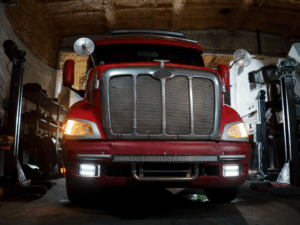
 Semi trucks use complex electrical systems to power many things. This includes the ignition, lights, sensors, and computers that help the truck run well.
When one part of that system goes bad, the whole rig feels it. Electrical failures lead to about one-third of all semi-truck breakdowns. Many of these issues could have been avoided with simple maintenance.
This guide from Ferguson Truck Center in Houston, TX explains the 7 most common electrical problems in semi trucks. It covers what causes these issues and what to do to avoid being stuck on the highway.
What Causes Electrical Problems in Semi Trucks
Semi trucks take a beating every mile. Constant vibration loosens electrical connections over time. Heat, moisture, and dirt corrode wires and terminals. Add in overworked circuits from aftermarket lighting or equipment, and shorts become more likely.
Even normal wear on batteries, alternators, and starter motors can lead to system-wide electrical issues.
7 Common Electrical Problems in Semi Trucks
Semi trucks use layers of wiring, sensors, and control units. When one piece fails, it can cause everything else to act up. Here are the seven most common electrical problems and how to handle them.
1. ECU (Engine Control Unit) Failure
The ECU is the truck’s brain. It manages engine timing, fuel delivery, and emissions. When it malfunctions, the engine may idle rough, lose power, or stall without warning.
Fix: Run a diagnostic scan. If the ECU is faulty, have it reprogrammed or replaced. Ignoring it can damage connected systems and sensors.
2. Damaged or Loose Wiring
Wiring runs throughout a truck, and it’s easy for connections to shake loose or corrode. Frayed or damaged wiring causes flickering lights, short circuits, or even smoke under the dash. Unsecured cables can also create “electrical noise,” confusing the truck’s onboard computers.
Fix: Inspect the wiring harness and all connectors. Replace any brittle or burnt wiring. Regular inspections help prevent major breakdowns later.
3. Battery & Starter Problems
Nothing stops a truck faster than a dead battery or bad starter motor. You’ll notice slow cranking or a click when you turn the key. Batteries drain faster when alternators undercharge or connections loosen.
Fix: Test the battery’s voltage and clean the terminals. If the starter motor shows signs of wear, replace it. Semi-truck starters work hard every day — they don’t last forever.
4. Alternator Failure
The alternator powers electrical components and keeps the battery charged while the truck runs. When it starts to fail, headlights dim, warning lights flash, and the battery drains faster than usual.
Fix: Test the alternator’s output with a multimeter. If the voltage is low, repair or replace the unit. Also, check the belt for tightness and wear.
5. Blown Fuses & Faulty Relays
Fuses protect circuits from overloads. When they blow repeatedly, it usually means a short circuit or deeper truck electrical system issue. A bad relay can stop critical systems from working, even if the fuse looks fine.
Fix: Replace blown fuses with the correct amperage rating. If the new one blows again, test the circuit for a short. Use a multimeter to check relays for continuity.
6. Sensor Failures
Modern trucks depend on sensors to monitor everything from temperature to exhaust. When a sensor sends bad data to the ECU, it can trigger warning lights or cause the truck to go into limp mode.
Fix: Scan for error codes. Replace any faulty sensors. This keeps your engine performing correctly and prevents false alarms.
7. Burning Smells or Electrical Smoke
If you smell something burning, stop the truck immediately. Burning insulation, melted wiring, or smoke signals a short circuit or overheating electrical component. These are serious fire risks.
Fix: Shut off the power. Don’t try to start the truck again until a professional inspects it. Continuing to drive could cause irreversible damage to components.
Warning Signs Your Semi Truck Has Electrical Issues
 Electrical problems don’t appear out of nowhere — they leave clues. Watch for these early warning signs:
- Dim or flickering lights
- Clicking or slow engine starts
- Dashboard warning lights that won’t go off
- Burning smells or smoke
- Power loss to accessories (HVAC, wipers, radio)
- Frequent blown fuses
If you spot one or more of these signs, it’s time for a professional inspection before things get worse.
How to Diagnose Electrical Problems in Semi Trucks
You can spot obvious issues yourself, but electrical systems need a structured approach.
Step 1 – Perform a Visual Inspection
Look for frayed wires, loose connections, or corrosion on terminals.
Step 2 – Test the Battery and Alternator
Use a multimeter to confirm voltage output and charging performance.
Step 3 – Inspect Fuses and Relays
Replace any blown fuses. Test relays to ensure they switch properly.
Step 4 – Scan for ECU and Sensor Faults
Run diagnostic software to find error codes and pinpoint system failures.
Step 5 – Get a Professional Load Test
This checks for parasitic drains and verifies correct current flow. It’s the surest way to assess your truck electrical system health.
How to Prevent Electrical Problems in Semi Trucks
Prevention saves you time and money. A few habits go a long way:
- Schedule electrical inspections every 25,000 miles.
- Keep battery terminals clean and corrosion-free.
- Replace old or damaged wiring during maintenance.
- Avoid plugging in unapproved accessories.
- Use certified technicians for all electrical work.
Electrical maintenance doesn’t take long, but skipping it can lead to days of downtime.
Why Fast Repairs Save Time and Money
Ignoring your truck’s problems can snowball. What starts as a loose wire can turn into a dead truck on the shoulder of I-10. Fast repairs:
- Prevent roadside breakdowns and delays.
- Protect sensitive parts like the ECU and sensors.
- Extend the life of your truck.
- Save money by avoiding secondary damage.
If your truck isn’t starting, lights are flickering, or you smell something odd — get it checked right away.
Frequently Asked Questions (FAQ)
What’s the most common electrical problem in semi trucks?
Wiring issues and battery failure are the most common, especially in older rigs.
How do I know if my truck’s alternator is bad?
If your lights dim or your battery dies while driving, your alternator might not be charging.
Can I fix a truck’s wiring myself?
Minor fixes might be possible, but electrical systems are complex. Always have a qualified technician handle major repairs.
How often should I inspect my truck’s electrical system?
At least twice a year or before any long-haul trip.
Who repairs semi-truck electrical systems in Houston, TX?
Ferguson Truck Center provides complete electrical diagnostics and repairs for commercial trucks in Houston and surrounding areas.
Electrical Problems? Contact Ferguson Truck Center
 Electrical problems can take your rig off the road fast — don’t wait until it’s too late. Ferguson Truck Center specializes in diagnostics, wiring repairs, ECU services, and alternator replacements for commercial trucks.
Schedule service today or visit our Commercial Truck Repair page to learn more.
“Keeping Houston’s trucks on the road—one connection at a time.”