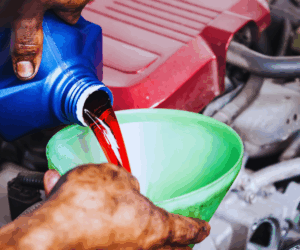
 Transmission maintenance isn’t the most exciting part of truck ownership, but it’s one of the smartest. It saves you from costly repairs, keeps your truck out of the shop, and makes your long hauls smoother. The problem is, most drivers wait too long to change their transmission fluid—and they pay for it later.
At Ferguson Truck Center in Houston, we see the results every day. Burnt fluid. Overheating. Transmission systems that fail miles from home. Here’s how often you should change your semi-truck transmission fluid, what affects the schedule, and what happens if you ignore it.
How Often Should You Change Transmission Fluid in a Semi-Truck?
Most semi-truck transmissions need a fluid change every 30,000 to 50,000 miles. The exact interval depends on your truck’s transmission type, driving habits, and the conditions you operate in.
Trucks that haul heavy loads, idle for long hours, or run in hot areas like Houston usually need fluid changes sooner—around every 25,000 miles.
Regular transmission service controls heat, reduces friction, and prevents expensive gear wear. Skipping a change leads to bigger problems that always cost more later.
Why Transmission Fluid Changes Matter
Transmission fluid does three things: it lubricates gears, cools the system, and maintains hydraulic pressure. When that fluid gets dirty or low, everything inside the transmission starts to work harder.
Dirty fluid leads to friction and overheating. That friction breaks down seals, wears gears, and eventually leads to complete failure. Replacing the fluid costs a fraction of what a rebuild will.
Semi-truck drivers who service their transmissions on schedule spend less overall and avoid the downtime that eats into delivery schedules.
Factors That Affect How Often You Should Change Transmission Fluid
Several variables determine how fast your fluid breaks down and how often you should replace it.
1. Driving Conditions
If your routes involve stop-and-go traffic, steep hills, or frequent gear shifting, your transmission fluid breaks down faster. Long hauls at steady speeds cause less strain and help the fluid last longer.
2. Load Weight
The heavier the load, the more heat your transmission generates. Hauling beyond your weight limits speeds up fluid degradation and raises the chance of overheating.
3. Climate and Temperature
High heat is your transmission’s enemy. In Houston, high temperatures cause the fluid to oxidize and thin out faster than in cooler regions.
4. Transmission Type (Manual vs. Automatic)
Manual transmissions tend to last longer between changes because they generate less heat. Automatic and automated manual systems need more frequent maintenance since they rely on constant hydraulic pressure.
5. Maintenance History
If your truck’s been maintained on schedule, the system stays cleaner and more efficient. But if you’ve skipped a few changes, sludge builds up, pressure drops, and shifting gets rougher.
Signs Your Semi-Truck Transmission Fluid Needs Changing
 You don’t always need to wait for the mileage marker. Your truck gives you signs when the fluid’s overdue for replacement.
-
The fluid looks dark or smells burnt instead of clean and red.
-
Gear shifting feels rough, delayed, or jerky.
-
You hear humming, grinding, or strange noises during shifts.
-
You smell something burning during long hauls or heavy loads.
-
Dashboard warning lights signal high transmission temperature.
Any of these signs mean it’s time to schedule service.
What Happens If You Don’t Change Transmission Fluid?
If you ignore fluid changes, here’s what happens:
The fluid loses its ability to lubricate. That creates friction, which generates heat. Overheating damages seals and gaskets and leads to internal leaks. Dirty fluid clogs filters, lowers pressure, and can cause slipping gears.
Eventually, your transmission fails completely. That’s one of the most expensive repairs a truck can face—and it usually happens at the worst time.
How to Check Transmission Fluid Levels in a Semi-Truck
Checking transmission fluid is simple and can help you catch problems early.
-
Park the truck on level ground and leave the engine running in neutral.
-
Locate the transmission dipstick—your owner’s manual shows where it is.
-
Pull the dipstick out, wipe it clean, reinsert it, and pull it again to check the level.
-
The fluid should be bright red and between the “Add” and “Full” marks.
-
If the fluid looks dark, smells burnt, or is below the mark, schedule service right away.
Recommended Transmission Fluid Change Intervals by Manufacturer
| Manufacturer | Recommended Interval | Service Notes |
|---|---|---|
| Freightliner | 30,000 – 50,000 miles | Shorter interval if hauling heavy loads. |
| Peterbilt | 35,000 – 60,000 miles | Use OEM-approved ATF fluid. |
| Kenworth | 40,000 – 60,000 miles | Check more often in high heat or stop-and-go routes. |
| Volvo | 30,000 – 50,000 miles | Long-haul trucks may extend to 60,000 miles. |
| International | 25,000 – 45,000 miles | Houston heat shortens fluid life—inspect regularly. |
Always confirm with your truck’s maintenance manual or ask the team at Ferguson Truck Center for the right schedule for your make and model.
FAQ – Transmission Fluid in Semi-Trucks
How do I know if my truck’s transmission fluid is bad?
If the fluid looks dark, smells burnt, or your gears start slipping, it’s overdue for replacement.
Can I drive with low transmission fluid?
You can, but it’s a bad idea. Low fluid leads to overheating and can ruin the transmission quickly.
Does transmission fluid last longer in manual trucks?
Usually, yes. Manual systems run cooler and tend to go longer between fluid changes.
Can Ferguson Truck Center service fleet transmissions?
Yes. We service single trucks and fleets, offering preventive maintenance programs that keep your trucks on the road.
Schedule Transmission Service at Ferguson Truck Center
 If it’s been over 30,000 miles since your last transmission fluid change—or you’ve noticed rough shifting, overheating, or unusual noises—don’t wait. Schedule service today.
Ferguson Truck Center in Houston provides fast, affordable transmission maintenance for semi-trucks and commercial fleets. Routine fluid changes are the simplest way to protect your truck from expensive repairs and keep your operation moving.
Call or schedule online today to keep your transmission running smooth and your downtime low.