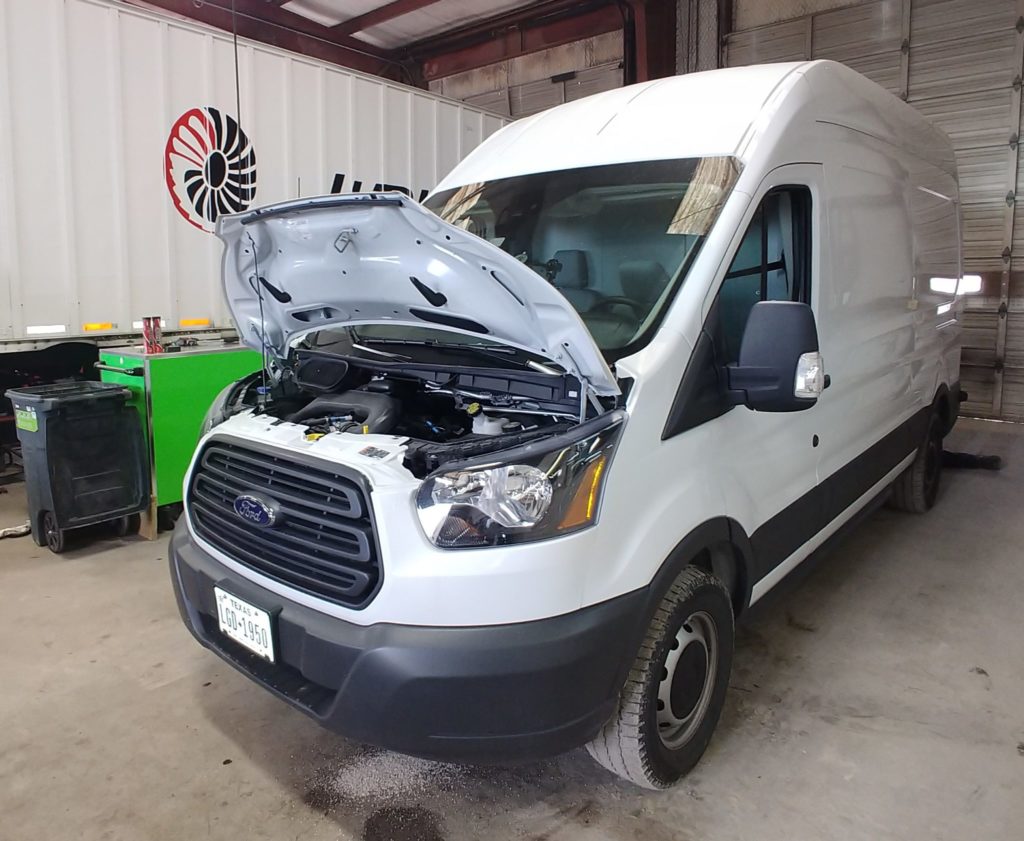
 Expert Gasoline Commercial Truck Repair In Heights
Does your gasoline commercial truck keep stalling when you need it most?
You know that sinking feeling. Warning lights flash across your dashboard, or the engine temperature climbs into the red zone while you’re mid-delivery in Heights, TX.
Here’s what I’ve learned after working with commercial fleets: Modern gasoline trucks aren’t like the old workhorses. Today’s vehicles run with up to 400 sensors monitoring everything from fuel flow to emissions. When one system fails, it can cascade fast.
But there’s good news.
Ferguson Truck Center specializes in exactly this challenge. Their team knows how to diagnose sensor issues, fix overheating problems, and get your truck back on the road without the guesswork.
Let me walk you through what they offer and why it matters for your bottom line.
Key Takeaways
- Ferguson Truck Center offers certified gasoline commercial truck repairs in Heights, TX, with technicians trained in the latest engine sensor systems and lightweight alloy engines.
- The shop provides comprehensive services including tune-ups, fluid checks, complete overhauls, diagnostics for power loss or warning lights, preventative maintenance, DOT inspections, and emergency towing.
- All Ferguson mechanics hold Aldine commercial repair certifications and participate in ongoing technical training to ensure reliable service for modern gas-powered trucks.
- Fleet managers trust Ferguson Truck Center due to high customer satisfaction ratings on Google Reviews and consistent outcomes that keep trucks running longer and more efficiently.
Ferguson Truck Center Gasoline Commercial Truck Repair Services
Your gasoline commercial truck needs more than basic maintenance. It needs experts who understand modern engine technology.
According to data from Fleet Maintenance, today’s commercial trucks contain up to 400 sensors working together. Each one monitors critical systems like air-fuel mixture and exhaust emissions. When these sensors fail, your truck’s performance drops fast.
Who are the specialists handling repairs and what are their qualifications?
Ferguson Truck Center’s technicians hold certifications in Aldine commercial truck repair. Each mechanic completes continuous training to work with advanced engine processing modules and real-time sensor systems.
This isn’t random. Modern gasoline engines use oxygen sensors to adjust the air-fuel mixture for optimal combustion, which directly improves fuel efficiency.
Many specialists here have hands-on experience with lighter alloy engines that run at higher temperatures. This background means they can service your truck efficiently and catch problems before they become expensive.
Fleet managers rely on this skilled team because every repair is led by a qualified mechanic who knows exactly what to look for.
Ferguson’s technicians bring years of training and real-world expertise to each job, with no guesswork involved.
What range of repair services does Ferguson Truck Center provide?
Ferguson Truck Center handles a wide range of repair services for panel trucks, box trucks, medium-duty trucks, and heavy-duty trucks.
You can bring your vehicle in for:
- Minor repairs or complete engine overhauls when needed
- Mobile on-site repairs for convenience
- Trailer repair and DOT inspections
- Preventative maintenance programs
- Paint work, body shop services, and custom paint jobs
- Emergency towing and fleet services across Aldine and Heights in Houston
The team uses advanced diagnostic technology to find issues like low power or service light warnings. Every service starts with a thorough check using real-time data from your truck’s onboard systems.
Repair and Maintenance Services Offered
At Ferguson Truck Center, you get a full range of gasoline commercial truck repair services in Heights. Skilled technicians handle everything with quick checks and careful attention.
Regular service helps your trucks stay dependable on the road. Here’s what that looks like in practice.
What engine tune-ups and fluid checks are available?
Engine tune-ups at Ferguson Truck Center cover spark plug checks, air and fuel filter replacements, timing adjustments, and ignition system tests.
Trained specialists use advanced diagnostic tools to spot engine problems early. These tools read data from your truck’s sensors in real-time, catching issues before they turn into breakdowns.
Proactive tune-ups improve performance for box trucks, panel trucks, and medium-duty trucks.
Fluid checks include:
- Engine oil (topping off or replacing according to manufacturer guidelines)
- Brake fluid
- Coolant
- Power steering fluid
- Transmission fluids
All essential fluids get checked during routine maintenance. This simple step helps maintain efficiency and avoids costly breakdowns on the road.
How do engine overhauls extend the lifespan of trucks?
An engine overhaul breaks down your truck’s engine piece by piece. Technicians clean every part, fix worn or damaged components, and rebuild the motor so it can run almost like new.
This process stops hidden problems that simple oil changes can’t fix.
According to a 2025 analysis from Diesel Services of America, a professional engine overhaul can add hundreds of thousands of miles of reliable service to your existing engine. Your truck gains more power and uses fuel better, too.
Persistent power loss and constant service light warnings often mean a major repair is needed for box trucks, panel trucks, or medium-duty gasoline engines.
I once saw a commercial rig last years longer just from one careful overhaul at Ferguson Truck Center. Fuel bills went down right away, and performance jumped up fast.
Common Gasoline Truck Problems We Fix
Some issues show up more often than others with gasoline commercial trucks. Knowing what to watch for can save you time and money.
Why does engine overheating happen so frequently?
Overheating is one of the most common reasons gasoline commercial trucks break down. The normal operating temperature for truck engines sits between 190 to 225 degrees Fahrenheit.
Anything beyond that range signals a problem.
Common causes include:
- Low coolant levels (often due to leaks from cracked hoses or damaged radiators)
- Faulty thermostats that get stuck in the closed position
- Radiator clogs from debris or sediment buildup
- Worn water pumps with corroded impeller blades
According to industry experts, coolant should be flushed and replaced typically every 24 months or 36,000 miles for most heavy-duty trucks. Old coolant becomes acidic and starts eating away at your cooling system from the inside.
If you see white smoke from below your hood or notice the temperature gauge climbing, pull over immediately. Continuing to drive can cause severe engine damage.
Why Choose Ferguson Truck Center for Gasoline Commercial Truck Repair In Heights, TX?
You want the best for your gasoline commercial trucks in Heights, TX. Ferguson Truck Center stands ready to help.
Their trained experts take pride in quality repairs and fast service, setting a high bar among local shops.
Professional Expertise
Ferguson Truck Center is mechanic-owned and fully operated by skilled professionals. Certified technicians handle each gasoline commercial truck repair job using advanced diagnostic tools.
This helps set the shop apart in Heights, TX.
Fleet managers place their trust here as high Google Reviews show consistent satisfaction with both expertise and service quality. Personal concern guides every repair, making sure trucks stay on the road longer and run better.
You get direct access to a team that continually trains for the latest industry standards. Privacy remains protected at all times through secure customer contact forms.
Mobile on-site services add convenience for busy clients in Heights who can’t afford downtime.
DOT Inspections Keep You Compliant
Commercial motor vehicles that weigh over 10,000 pounds need a DOT inspection at least once every 12 months. This is a federal requirement under FMCSA regulations.
Ferguson Truck Center provides qualified DOT inspections that check:
- Brakes, suspension, and tires for defects and wear
- Lights and signals for proper function
- Steering mechanisms for safe handling
- Fuel and exhaust systems for leaks or malfunctions
According to the FMCSA, almost 12,000 trucks per month are cited for operating without a valid annual DOT inspection. Don’t let that be your truck.
When you pass inspection here, you get documentation that stays on your vehicle and keeps you road-legal for another year.
F.A.Q.’s – Gasoline Commercial Truck Repair in Heights
1. What services are included in expert gasoline commercial truck repair in Heights?
Expert gasoline commercial truck repair in Heights covers everything from engine diagnostics and brake system maintenance to transmission work and electrical repairs. Beyond the basics, these specialized shops use advanced software to catch gasoline-specific issues like ignition coil failures and catalytic converter problems before they stop your truck.
2. Why should I choose a specialist for my gasoline commercial truck repairs?
Specialists hold ASE T-Series certifications and carry the specific heavy-duty tools needed to diagnose and fix your truck’s complex drivetrain issues much faster than a general automotive mechanic.
3. How often should commercial trucks receive maintenance at a repair shop?
While some manuals suggest longer intervals, gasoline commercial trucks operating in stop-and-go city conditions really need professional inspections every 5,000 to 7,500 miles. Sticking to this severe-duty maintenance schedule is the best way to prevent engine wear and avoid those expensive, unexpected breakdowns.
4. Can Heights repair shops handle emergency commercial truck repairs?
Yes, many local repair facilities offer 24/7 mobile emergency services that aim to reach you in under 60 minutes. This rapid response helps you minimize lost revenue by fixing common roadside issues like dead batteries or cooling system leaks right on the spot.