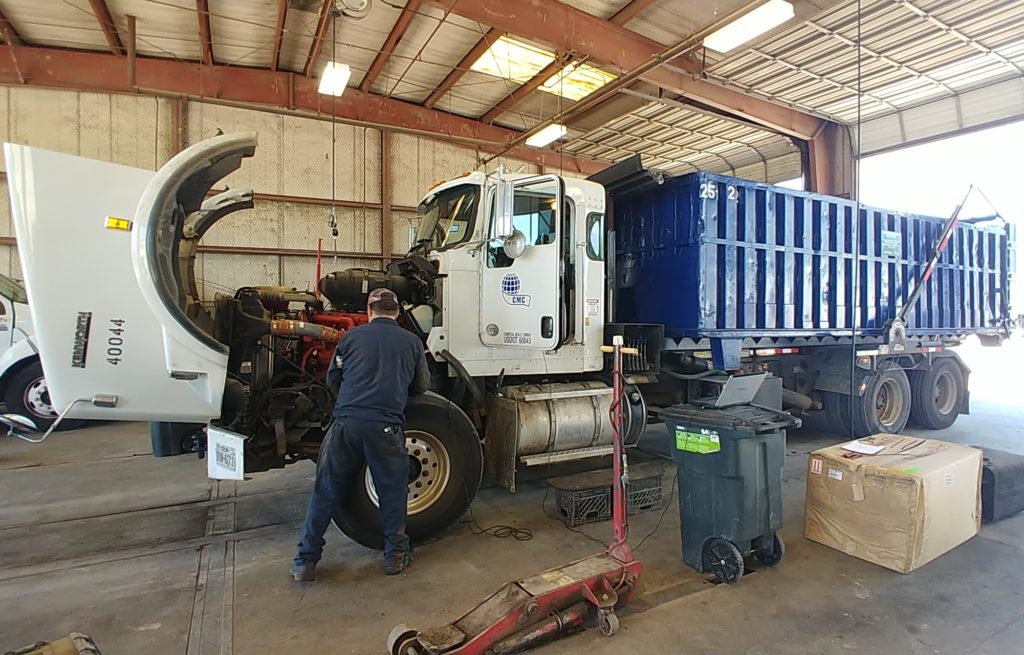
Reliable Fuel System Service In Humble, TX
You know that feeling when your truck just isn’t running right?
Your truck’s fuel system works hard every single day. It pumps fuel from your tank, filters out dirt and debris, and delivers clean fuel to your engine so your vehicle runs smoothly.
When something goes wrong with this system, your truck stops running well, costs you money, and wastes your time.
Clogged fuel filters and faulty fuel pumps cause many service calls for commercial trucks in the area. According to FinditParts’ 2025 data, fleets spend an average of 15 cents per mile on maintenance, which includes regular servicing and unexpected repairs. These problems happen often because debris builds up in your fuel system over time.
Your truck may start rough, idle poorly, or lose power when you need it most.
Fuel System Service In Humble, TX keeps your fleet moving and your business profitable. This guide shows you what fuel system problems look like, why they happen, and how to fix them before they strand your vehicle.
You’ll learn which warning signs mean your truck needs service right away. Keep reading to discover how proper fuel system care saves you thousands in repair costs.
Key Takeaways
- Clogged fuel filters and faulty fuel pumps cause frequent service calls for commercial trucks in Humble, TX, requiring regular maintenance to prevent downtime.
- Fuel injector malfunctions disrupt air-fuel mixture, causing rough idling, hard starting, poor acceleration, and increased emissions that demand immediate technician attention.
- Fuel line leaks create serious safety hazards and reduce truck performance, requiring visual inspections, pressure tests, and prompt replacement of damaged components.
- Ferguson Truck Center at 3625 Jensen Drive, Houston, TX 77026 offers 24-hour emergency road service, on-site repairs, and preventative maintenance for fleet reliability.
- Regular fuel system cleaning, DOT inspections, and consistent maintenance schedules maximize fleet uptime, reduce repair costs, and keep business operations profitable year-round.
Why Reliable Fuel System Service Matters:
Your truck’s fuel system runs your entire operation.
You need it working at peak performance every single day. When your fuel system fails, your fleet stops moving, and your profits stop too.
How can reliable service maximize fleet efficiency and reduce downtime?
Reliable fuel system service keeps your trucks running strong and on schedule. When you invest in consistent maintenance schedules, you prevent unexpected failures that could stop multiple vehicles at once.
Manager-dispatched 24-hour emergency road service means help arrives fast when trouble strikes. Your fleet stays moving and your deliveries stay on time.
On-site repairs cut downtime significantly because technicians fix problems right where your trucks are. This approach helps your fleet stick to delivery schedules without costly delays at repair shops. Efficient repair processes and systematic maintenance scheduling maximize fleet uptime, which directly impacts your bottom line and keeps customers satisfied.
Regular fuel system cleaning acts as a key preventative measure that stops costly repairs before they start.
A 2024 NACFE Fleet Fuel Study found that 14 fleets operating 75,000 trucks saved $512 million in 2023 compared to average trucks on the road. Preventative maintenance helps maintain peak truck performance and fleet profitability, protecting your investment for years to come.
Fleet services include DOT inspections to ensure your vehicles meet safety and operational standards. This gives you peace of mind that everything runs correctly and safely.
What fleet fuel system needs should be addressed?
Your truck’s fuel system requires consistent attention to keep your fleet running smoothly and avoid costly downtime.
Understanding what needs regular care helps you maintain peak performance and extend your vehicle’s lifespan.
- Check fuel filters regularly to prevent starting issues and operational problems that could leave your truck stranded. Diesel engines typically need fuel filter changes every 10,000 to 15,000 miles, far more frequently than gasoline vehicles.
- Monitor fuel levels constantly; low levels damage your fuel pump and create expensive repair situations you want to avoid.
- Clean your fuel system periodically to stop performance issues before they turn into costly repairs that drain your budget.
- Inspect fuel injectors for clogs or malfunctions, as these components directly affect how your engine runs and uses fuel. Industry experts recommend inspecting diesel fuel injectors every 100,000 miles.
- Test your fuel pump’s pressure and function to catch failures early before they cause hard starting or complete breakdowns. Fuel pump replacement can cost between $400 and $1,200 for commercial trucks, making early detection crucial.
- Examine fuel lines for leaks, cracks, or corrosion that could spill fuel or create safety hazards on the road.
- Diagnose fuel system problems promptly; timely identification keeps your fleet reliable and minimizes vehicle downtime.
- Address rough idling, smoking, or hard starting immediately, as these signs point to fuel system issues needing skilled technician attention.
- Schedule preventative maintenance visits to catch leaking components or performance drops before they immobilize your vehicles.
- Work with experienced technicians who understand specific fuel system components and can maximize your fleet’s efficiency through proper service.
Common Truck Fuel System Problems:
Your truck’s fuel system runs complex operations that demand constant attention.
Small problems can turn into big expenses if you ignore them.
What causes clogged fuel filters?
Debris and contaminants like dirt and rust particles build up in your fuel system over time, creating clogs in your fuel filters.
These particles come from contaminated fuel or aging fuel tanks that break down inside your system. A dirty air filter makes the problem worse by letting more debris slip into your fuel system, which speeds up the clogging process.
Clogged fuel filters are a frequent cause of service calls at Ferguson Truck Center, and fleet vehicles face even higher risks due to neglect in fuel filter maintenance schedules.
Accumulated debris restricts fuel flow through your fuel system, which causes rough idling and hard starting in your truck.
Fleet vehicles often suffer from clogged filters more than other trucks because owners skip regular fuel filter maintenance. Trucks with clogged filters get sidelined for extended periods, costing you time and money that you cannot afford to lose.
How do fuel injector malfunctions affect performance?
Your truck’s fuel injectors spray fuel into the engine at precise moments.
When these injectors malfunction, they disrupt the air-fuel mixture necessary for proper combustion, causing engine operation issues that affect your truck’s performance. Faulty fuel injectors prevent your engine from running smoothly, leading to rough idling and reduced performance due to improper fuel delivery.
Fuel injector problems force your engine to run unbalanced, either too lean or too rich. This impacts fuel efficiency and increases your costs at the pump. Your truck struggles to respond to throttle inputs, resulting in poor acceleration that makes merging and passing difficult on highways.
Hard starting becomes another frustrating symptom. Injectors fail to deliver the required amount of fuel for ignition, leaving you waiting longer to get on the road.
Severe injector malfunctions lead to increased emissions, indicated by visible exhaust smoke in black, white, or blue colors depending on the underlying issue. Black smoke signals poor combustion, while blue smoke indicates burning oil inside your engine.
According to FleetRabbit’s 2025 diesel maintenance guide, a single failing injector left unchecked can escalate from a $500 to $700 replacement to $8,000 to $25,000 in engine damage within 30 to 60 days of ignored symptoms. These visible signs tell you that your fuel system service needs immediate attention from qualified technicians who understand truck fuel system maintenance.
What are the signs of a faulty fuel pump?
Your truck’s fuel pump works hard to deliver gasoline to the engine.
When it fails, you’ll notice clear warning signs that demand immediate attention. Recognizing these symptoms early helps you avoid costly repairs and keeps your vehicle running smoothly on Humble, TX roads.
- Difficulty starting the vehicle occurs when fuel delivery becomes improper, forcing your engine to crank longer than normal before ignition happens.
- Low fuel pressure causes the engine to struggle for power, leaving you feeling a lack of acceleration and responsiveness during driving.
- Rough idling and engine stalling can occur during operation, making your truck shake at red lights or lose power unexpectedly while moving.
- The fuel system produces a whining noise from the tank area, signaling that the pump motor is working harder than it should.
- Leaking fuel around the pump area indicates immediate attention is required, as this creates safety hazards and wastes expensive gasoline.
- Engine hesitation happens when you press the gas pedal, but the truck delays responding to your command for several seconds.
- Reduced fuel economy means you’re filling up more often, even though your driving habits haven’t changed from previous months.
- A defective fuel pump stands as a common cause for service requests at Ferguson Truck Center, where skilled technicians diagnose problems daily.
- Running out of gas can damage the fuel pump and related components, leading to higher repair costs that exceed simple replacement expenses. According to industry estimates from 2026, fuel pump replacement for commercial trucks typically ranges between $400 and $1,200.
- Skilled technicians at Ferguson Truck Center can diagnose and replace faulty pumps, restoring vehicle reliability and getting you back on the road quickly.
How can fuel line leaks be detected and fixed?
Fuel line leaks demand immediate attention since they create serious safety hazards and reduce your truck’s performance.
Detecting these leaks early protects your vehicle and prevents costly repairs down the road.
- Look for visible fuel dripping or pooling under your vehicle during regular parking periods. These wet spots near the fuel tank area signal active leaks that need prompt attention.
- Notice strong gasoline odors, especially around the fuel tank region. Unusual smells indicate fuel escaping from damaged lines or connections.
- Monitor fuel efficiency closely and track sudden drops in gas mileage. Unexpected decreases in how far you travel per gallon suggest fuel system problems.
- Inspect the gas cap for cracks, damage, or loose fittings that allow fuel to escape. A damaged cap prevents proper sealing and causes fuel loss.
- Perform monthly visual inspections of fuel lines and connections for wet areas, corrosion, or cracks. Catching damage early stops leaks from spreading.
- Schedule pressure tests with qualified technicians to uncover hidden leaks you cannot see. Professional equipment detects problems inside fuel lines that visual checks miss.
- Replace damaged hoses, lines, or seals immediately once you discover them. Prompt replacement prevents leaks from worsening and causing fires.
- Address all fuel leaks without delay since they pose serious fire hazards. Fuel is highly flammable, making quick repairs essential for safety.
Why Choose Ferguson Truck Center for Fuel System Service in Humble, TX?
Ferguson Truck Center operates at 3625 Jensen Drive, Houston, TX 77026.
Your trucks get expert fuel system service from technicians who understand fleet needs. Your operations continue around the clock because Ferguson offers 24-hour manager-dispatched emergency road service, meaning help arrives fast when problems strike.
On-site repair services mean skilled technicians come directly to your location. Your trucks spend less time sitting idle and more time earning money.
Your business saves money through flexible monthly billing options available for approved customers. Ferguson accepts most credit cards, checks, and company checks for easy payment.
Long-term relationships with both large and small businesses throughout Houston prove that Ferguson delivers efficient, reliable service that keeps fleets moving.
Services extend beyond fuel system repairs to include preventative maintenance, DOT inspections, emergency towing, and paint and body work. This gives you one trusted partner for complete truck care.
Find directions and service information on their active Facebook page and website, making it simple to schedule appointments or request emergency assistance whenever you need it.
FAQ’s – Fuel System Service in Humble, TX
1. What does fuel system service include in Humble, TX?
A proper fuel service here in Humble covers cleaning your injectors, swapping out fuel filters, and inspecting your rig’s high-pressure fuel pumps. For diesel trucks, technicians will also drain the water separator bowl, which is a crucial step to prevent algae growth in our sticky Texas humidity.
2. How often should I get fuel system service?
For most gas and diesel trucks, you should schedule a comprehensive fuel system service every 30,000 miles, though heavy towing or excessive idling might mean you need it done closer to the 15,000-mile mark.
3. Why is reliable fuel system maintenance important for my vehicle?
Staying on top of fuel maintenance keeps your truck running strong and maximizes your fuel economy, saving you serious cash at the pump. Clean injectors and fresh filters prevent the kind of expensive engine misfires or power drops that can leave you stranded on Highway 59.
4. What are signs my fuel system needs service in Humble?
If your truck hesitates when you hit the gas to merge onto I-69, idles roughly, or starts blowing excessive black smoke from the tailpipe, it is time for a checkup. A sudden drop in your miles per gallon or trouble starting are also clear warnings that your fuel system needs professional attention before minor wear turns into a massive repair bill.