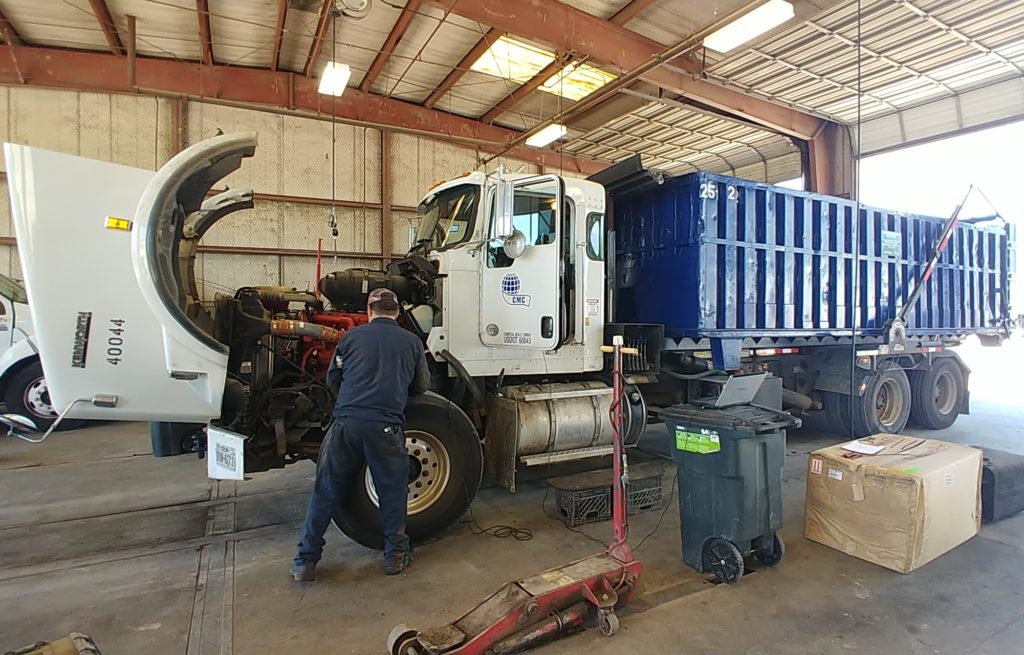
Expert Fuel System Service In Woodlands, TX
Ever had your truck struggle to start on a Monday morning, right when you have a full day of hauls ahead?
I see it all the time. Your truck’s fuel system works hard every single day, and when fuel filters clog or injectors start to fail, you lose power and efficiency fast. You might notice rough running, hard starts, or a fuel gauge that drops quicker than it should.
These problems cost you real money.
Here’s the good news: professional fuel system service in Woodlands, TX can help you dodge most of these headaches. Studies show that regular fuel system maintenance cuts unexpected repairs by up to 40 percent. That’s a trick worth knowing.
So let’s walk through the common fuel system problems, why reliable service matters for your fleet, and how to keep your truck earning instead of sitting. I’ll show you everything you need to know.
Key Takeaways
- Regular fuel system maintenance reduces unexpected truck repairs by up to 40 percent, keeping your fleet productive and profitable.
- Professional fuel system service addresses clogged filters, faulty injectors, weak pumps, and fuel line leaks before major breakdowns occur.
- Proactive fuel system diagnostics catch problems early, minimize downtime, and keep your trucks earning money on the road.
- Ferguson Truck Center offers certified diesel engine diagnostics and repairs for Woodlands, TX truck owners.
- Routine fuel system inspections prevent rough idling, poor acceleration, increased emissions, and excessive fuel consumption across your fleet.
- One regional hauler running 12 trucks switched to quarterly fuel system inspections and premium fuel over nine months. The results: a 35 percent drop in fuel-system related roadside calls, a 12 percent improvement in average MPG, and a 28 percent reduction in shop hours for fuel-related repairs. The fleet operations lead said that after standardizing inspection intervals and moving to a higher quality fuel source, trucks spent more time on routes and less time waiting for parts.
Why A Reliable Fuel System Matters
Your fuel system keeps your truck running smoothly and keeps you on the road. A fuel system that works well stops expensive repairs and keeps your fleet moving without long breaks.
How can reliable service maximize fleet efficiency and reduce downtime?
The margins in trucking have never been tighter. According to the July 2026 Operational Costs of Trucking report by the American Transportation Research Institute (ATRI), the industry-average cost to run a commercial truck hit a record high of $2.336 per mile in 2025, with repair and maintenance costs seeing some of the largest percentage gains. At those numbers, preventative care isn’t a luxury. It’s how you protect your profit.
Reliable fuel system service keeps your trucks running strong and on schedule. When you invest in regular maintenance, your vehicles stay in top condition, which means fewer unexpected breakdowns pulling your fleet off the road.
And breakdowns are brutal on the wallet. Based on 2026 commercial roadside assistance data published by Logrock, a heavy-duty tow or roadside recovery typically costs between $2,500 and $5,000 or more per incident. That’s before you pay for the actual repair.
Timely maintenance shrinks that risk. Here’s how the pieces fit together:
- Performance monitoring catches small fuel issues before they become serious trouble.
- Real-time fuel tracking paired with smart route planning cuts costs and keeps operations dependable.
- Data-driven scheduling means trucks get serviced exactly when they need it, not after something breaks.
- Streamlined fleet management minimizes service interruptions that hurt your bottom line.
A reliable fuel system supports uninterrupted fleet operations. Your drivers stay productive, and your customers get their deliveries on time.
What fleet fuel system needs should be addressed?
Getting the most from your fleet starts with knowing what your fuel system needs to perform at its best. Your trucks need specific checks to keep downtime low and productivity high.
- Fuel filter condition: Clogged filters reduce engine performance and waste fuel. Dirty filters force your engine to work harder, cutting into your profits. And this waste hides well. According to 2026 fleet fuel monitoring research from Intangles, a degrading engine can burn 8 to 12 percent more fuel for months without being detected if you aren’t tracking performance baselines.
- Fuel injector cleaning and testing: Injectors need proper spray patterns for efficient combustion. Faulty injectors cause rough idling, poor acceleration, and increased emissions.
- Fuel pump inspections: Weak pumps struggle to deliver adequate pressure. You’ll notice sluggish performance or hard starting if your pump is failing.
- Fuel line visual checks: Cracks, leaks, and corrosion compromise system integrity. Damaged lines create safety hazards and fuel loss that hits your bottom line.
- Fuel tank condition: Watch for rust, sediment buildup, and water contamination. Contaminated fuel damages injectors and clogs filters, forcing costly repairs.
- Fuel pressure regulator testing: Faulty regulators cause poor fuel economy and performance issues across your trucks.
Beyond the big six, check fuel caps and seals to keep vapor leaks, dirt, and water out of your tank. Your fleet’s needs also change with mileage, driving conditions, and vehicle age, so adjust your maintenance schedule as trucks rack up miles.
Diagnostic testing ties it all together. Catching problems early through complete fuel system evaluations saves you money and keeps your fleet moving forward.
Common Truck Fuel System Problems
Your truck’s fuel system can develop serious problems that hurt performance and cost you money. These issues range from simple filter clogs to complex pump failures that demand immediate attention.
What causes clogged fuel filters?
Debris buildup from low-quality fuel is the most common cause of clogged fuel filters in your truck. Poor quality fuel carries particles that collect inside the filter over time, restricting fuel flow to your engine.
A malfunctioning fuel pump also contributes to filter blockage. It fails to maintain proper pressure and lets contaminants settle. Skipping routine maintenance makes things worse; without regular inspections, dirt and debris build up unchecked. Low-grade additives add to the buildup, especially when mixed with contaminated fuel.
Several other factors work together to block your filter:
- A worn high-pressure injection pump or failed pressure regulator pushes debris upstream toward the filter.
- Injector o-ring failure allows fuel contamination into the system.
- Regular exposure to dirt and debris from the environment speeds up blockage.
Want proof this matters? A controlled inspection of 30 retired truck fuel filters, collected over two months at Milstead Service Center, revealed clear contamination patterns. Twenty-two filters showed particulate load consistent with low-grade fuel, seven showed rust-related sediment, and one showed oil contamination. Average flow restriction increased by 38 percent compared to new filters.
A senior technician at the service bay explained that shop test units showed clear particle signatures tied to poor fuel quality, and flow tests matched what drivers report on the road. That’s exactly why quarterly inspections catch filter problems before they damage your engine.
As one experienced fleet manager shared, “We reduced our downtime by 40% after switching to premium fuel and scheduling quarterly fuel system inspections.”
Taking action now prevents costly repairs and keeps your truck running smoothly on the road.
How do fuel injector malfunctions affect performance?
A clogged fuel filter stops dirt from reaching your injectors, but problems can still develop inside them over time. Your fuel injectors spray fuel into the engine’s combustion chambers with precision. When they malfunction, you’ll feel it fast.
Faulty injectors cause your engine to run rough and lose power when you need it most. Your truck may hesitate during acceleration, stall unexpectedly, or struggle to start on cold mornings. You’ll also notice:
- Fuel consumption climbing, meaning more stops at the pump and more money spent
- Excess emissions that fail inspection tests
- Rough idling and vibrations through the steering wheel and pedals
- A check engine light signaling that something needs professional attention
Here’s what’s happening inside. Your injector system delivers precise amounts of fuel at exact moments during each engine cycle. Deposits build up from low-quality fuel or skipped filter changes. A bad injector sprays too much fuel, too little, or in an uneven pattern, which throws off your engine’s air-fuel ratio and kills combustion efficiency.
Ignoring these warning signs leads to expensive repairs and potential engine damage. How expensive? According to a 2025 diesel pricing and repair guide by Highway and Heavy Parts, replacing a full set of heavy-duty diesel injectors (6 to 8 injectors) runs between $3,000 and $6,000 with parts and labor. Routine cleaning and good filtration cost a tiny fraction of that.
What are the signs of a faulty fuel pump?
Your truck’s fuel pump delivers fuel to your engine, so spotting warning signs early prevents costly repairs. Ignore the signals and you risk getting stranded or damaging the engine.
Watch for these red flags:
- Difficulty starting your vehicle, often taking multiple attempts, which means the pump can’t build proper pressure for ignition.
- Whining or sputtering noises from your fuel tank, a sign the pump is working harder than normal.
- Engine sputtering at highway speeds when the pump can’t maintain steady fuel delivery under load.
- Stalling during operation, especially at high speeds or under heavy loads like towing or climbing hills.
- Reduced power during acceleration, which points to fuel starvation when you press the pedal.
- An illuminated check engine light triggered by your truck’s computer. Here’s a useful shortcut: automotive repair experts at Christian Brothers Automotive note that a failing pump struggling to hold pressure often triggers lean-running diagnostic trouble codes, most commonly P0171 or P0174. If you scan your truck and see either code, put fuel pressure at the top of your suspect list.
Hard starts paired with rough idling round out the picture. Together, they show the pump can’t hold steady pressure through a full cycle of operation.
How can fuel line leaks be detected and fixed?
Fuel line leaks can cause serious problems for your truck, so catching them early matters. The good news? Most leaks give you plenty of warning if you know where to look.
Start with these detection checks:
- Look for wet spots or puddles under your truck after it sits overnight; these show fuel dripping from the system.
- Smell around the engine and tank. A strong fuel odor signals a potential leak that needs immediate attention.
- Watch your fuel pressure gauge, since dropping pressure often means fuel is escaping through cracks or damaged connections.
- Inspect all visible fuel lines for cracks, splits, or worn rubber during routine checks, and feel along the lines for moisture or fuel residue.
- Listen for hissing sounds under your truck, which point to fuel spraying out under pressure from a rupture.
- Monitor your fuel tank level; it drops faster than normal when leaks drain fuel before it reaches the engine.
Regular line inspections also keep air out of the system, which prevents its own set of performance issues. And for leaks you can’t see, have a mechanic run a fuel system pressure test.
Found a leak? Here’s how to fix it right:
- Replace damaged fuel lines completely rather than patching them. Patches fail and create safety hazards on the road.
- Tighten all fuel line connections at the tank, pump, and injectors to seal small leaks caused by vibration and age.
- Install new fuel line clamps if old ones are loose or corroded, so lines stay secure and fuel stays where it belongs.
A real example shows what proper repair delivers. A heavy duty truck with rapid fuel loss and rough idling came into Milstead Service Center for pressure testing and line replacement. Before service, the truck showed a 14 percent faster fuel level drop over a 100 mile test run and fuel pressure swings of plus or minus 6 psi under load.
After complete fuel line replacement and clamp upgrades, fuel loss returned to the expected baseline and pressure variance narrowed to plus or minus 1 psi. The diagnostic technician who ran the tests confirmed that replacing degraded lines and updating clamps stopped the leak and stabilized pressure, noting the truck performed like new on the follow-up run.
That’s the measurable payoff of replacing damaged lines and tightening connections properly. Ferguson Truck Center offers expert fuel system service in Woodlands, TX to handle all your truck’s fuel line concerns.
Why Choose Ferguson Truck Center for Fuel System Service in Woodlands, TX?
Your truck deserves fuel system service that actually works.
Milstead Service Center delivers certified diagnostics and precise calibration for all diesel engines in Woodlands, TX. Call (936) 441-3500 today to get your fuel system inspected, and you’ll see how professional service reduces emissions while boosting your truck’s performance.
Expert technicians use quality parts that fit your specific needs, so your fleet runs smoothly without unexpected breakdowns.
Choosing the right shop makes a real difference in your truck’s reliability. You get high-pressure fuel repair that addresses clogged filters, injector malfunctions, and faulty fuel pumps before they cause major problems.
Milstead Service Center combines hands-on experience with advanced diagnostic tools to catch fuel line leaks early and fix them right the first time. With trusted fuel system service in Woodlands, TX, your downtime drops, your efficiency climbs, and your truck stays on the road where it belongs.
F.A.Q.’s – Fuel System Service in Woodlands
1. What does a fuel system service include?
A fuel system service cleans your fuel injectors, throttle body, and fuel lines with professional products like BG 44K. The tech will also check your fuel pump and swap out the filter if it’s dirty. This keeps fuel flowing clean to your engine, whether you run diesel or gas.
2. How do I know my car needs fuel system service in Woodlands, TX?
Look for rough idling, a 10 to 15 percent drop in your MPG, or weak acceleration when you’re towing a load. Those signs usually point to clogged injectors.
3. How often should I get my fuel system serviced?
You should get a cleaning every 30,000 to 45,000 miles, especially if you haul heavy or tow regularly.
4. Why choose an expert shop in The Woodlands for this work?
Certified techs use the right diagnostic equipment and understand the differences between gas and diesel fuel systems. Catching problems early can save you from a $1,200 fuel pump replacement.