 Not every semi-truck breakdown can be repaired on the shoulder of a highway. Many drivers think roadside assistance and mobile truck repair can fix almost anything on site. But that is not always realistic. Some truck breakdowns require specialized equipment, controlled shop conditions, or immediate heavy-duty towing for safety reasons.
Modern mobile truck repair services can handle many minor issues and help reduce downtime. They play a major role in keeping fleets moving. Still, there are situations where roadside repair stops being practical or safe.
This guide explains why some roadside truck breakdown situations require towing instead of onsite repair. It also helps truck drivers, fleet managers, and owner-operators understand when fast towing becomes the smarter decision.
Quick Takeaways
- Many truck breakdowns can be repaired roadside, but major failures cannot
- Severe engine, transmission, brake system, and axle problems usually require towing
- Some repairs are unsafe or impractical to perform roadside
- Mobile truck repair helps reduce downtime, but it has limitations
- Fast towing decisions can prevent additional damage and safety risks
What Mobile Truck Repair Can Usually Handle
Mobile truck repair services are designed to handle many common roadside truck breakdown problems. In many situations, roadside assistance can get a truck driver moving again without needing a tow.
Common roadside truck repair services include:
- Battery replacement
- Air line leak repair
- Minor electrical repairs
- Fuel delivery
- Forced DPF regens
- Starter replacement
- Alternator repair
- Trailer lighting repairs
- Tire pressure issues
These repairs are usually manageable because they do not require major disassembly, shop lifts, or extended diagnostics.
A good maintenance strategy also reduces emergency breakdowns. Fleets that regularly inspect trucks, monitor tire pressure, and perform preventive maintenance often avoid larger roadside failures entirely. Pre trip and post trip inspections help drivers catch minor issues before they become major problems.
Why Some Truck Breakdowns Require Towing Instead
Some truck breakdowns simply cannot be repaired safely on the side of the road. Certain failures require controlled shop conditions, larger equipment, and longer repair times.
Roadside truck repair also has limitations involving:
- Traffic safety
- Poor weather
- Limited workspace
- Restricted diagnostic capability
- Parts availability
In some situations, attempting roadside repair can actually worsen vehicle damage.
The Federal Motor Carrier Safety Administration and carrier safety administration FMCSA regulations also place major emphasis on vehicle safety. If a truck becomes unsafe to operate, towing may become necessary immediately.
Severe Engine Damage Can’t Be Fixed Roadside
Major engine problems are among the most common reasons heavy-duty towing becomes necessary.
Examples include:
- Seized engines
- Major oil loss
- Internal engine failure
- Severe overheating damage
- Turbo failures causing internal engine damage
A flickering light on the dashboard may sometimes warn drivers about oil pressure loss, charging problems, or cooling system failures before the engine shuts down completely. Ignoring those warning signs often turns small repairs into catastrophic failures.
Why Engine Failures Often Require Shop Repairs
Engine failures usually require:
- Specialized diagnostic tools
- Controlled testing conditions
- Long repair times
- Heavy equipment
- Internal engine access
Roadside repair is not practical when major teardown work becomes necessary. Continuing to operate a damaged engine can also create far more expensive truck repair costs later.
Transmission and Drivetrain Failures Usually Need Towing
Transmission and drivetrain failures rarely qualify as simple roadside repairs.
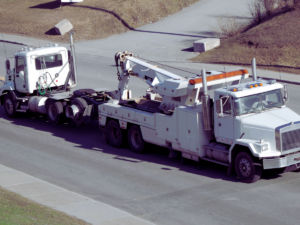 These problems often include:
- Transmission failure
- Clutch damage
- Driveshaft damage
- Differential failure
- Loss of power to the wheels
A truck hauling heavy loads places enormous stress on drivetrain components. Once major drivetrain damage occurs, towing is usually the safest option.
In many cases, mobile mechanics can diagnose the problem onsite, but the actual repair requires a full repair facility.
Unsafe Brake Problems Require Immediate Towing
Brake system failures create major safety risks for both the truck driver and surrounding traffic.
Problems that often require towing include:
- Brake chamber failures
- Air brake system failure
- Severe air leaks
- Locked brakes
- Complete loss of braking power
These issues can quickly become catastrophic, especially on busy highways or steep grades.
Roadside Safety Matters During Brake Failures
The Federal Motor Carrier Safety Administration takes brake safety seriously for a reason. Unsafe brake conditions can place drivers and other motorists at risk immediately.
Roadside brake repairs may become impossible when:
- The truck cannot maintain air pressure
- Brake components fail completely
- Traffic conditions are dangerous
- Repairs require major disassembly
In these situations, towing protects both safety and compliance.
Structural and Suspension Damage Cannot Be Repaired on the Shoulder
Some truck breakdowns involve structural damage that cannot safely be repaired roadside.
Examples include:
- Broken axles
- Wheel-off damage
- Suspension collapse
- Frame damage
- Steering system failures
These repairs often require shop lifts, alignment equipment, welding tools, or frame correction systems that mobile truck repair units simply do not carry.
Trying to move a truck with severe suspension or steering damage can make the problem much worse.
Why Roadside Conditions Sometimes Prevent Repairs
Sometimes the repair itself is not the problem. The roadside environment creates the real obstacle.
Unsafe roadside conditions may include:
- Heavy traffic
- Narrow shoulders
- Poor lighting
- Bad weather
- Limited workspace
- Cargo hazards
A mobile mechanic cannot safely perform complex repairs while working inches away from fast-moving traffic. In those situations, towing the truck to a controlled repair facility becomes the safer option.
When Mobile Truck Repair Stops Being Practical
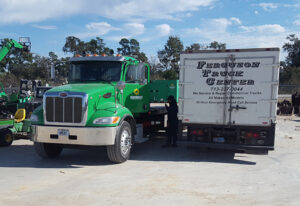 Mobile truck repair is valuable, but it has limits.
Roadside repairs may stop making sense when:
- Repairs take too long onsite
- Specialized lifts are required
- Diagnostics become too complex
- Critical parts are unavailable
- Continued operation risks additional damage
Many roadside assistance providers focus on stabilizing the situation first. Once the problem exceeds roadside capability, heavy-duty towing becomes the next step.
That decision often saves time and money in the long run.
How Fast Towing Can Reduce Downtime
Some drivers delay towing because they hope roadside repair will solve the problem. Unfortunately, waiting too long can increase downtime.
Fast towing can help:
- Prevent additional truck damage
- Reduce roadside safety risks
- Speed up repair timelines
- Get trucks to proper repair facilities faster
- Help fleets recover more efficiently
For many companies, minimizing downtime matters just as much as reducing repair costs.
Strong truck maintenance programs and training drivers to recognize early warning signs also help reduce major roadside breakdown situations.
What Drivers Should Do During a Major Breakdown
The first few minutes after a breakdown matter.
Truck drivers should:
- Move to a safe location if possible
- Turn on hazard lights
- Set warning triangles
- Avoid driving unsafe vehicles
- Contact professional roadside assistance or towing providers immediately
Drivers should also document warning lights, noises, smoke, fluid leaks, or performance issues to help technicians diagnose the problem faster.
FAQs
What truck breakdowns usually cannot be fixed roadside?
Major engine failures, transmission damage, severe brake system problems, broken axles, and structural damage usually require towing instead of roadside repair.
Why do severe engine problems require towing?
Major engine failures often require specialized tools, controlled diagnostics, and lengthy repairs that cannot safely happen roadside.
Can mobile mechanics repair transmission failures?
Mobile mechanics can often diagnose transmission problems onsite, but major transmission repairs usually require a repair shop and heavy equipment.
When is towing safer than roadside repair?
Towing becomes safer when the truck has major mechanical damage, unsafe brake problems, structural damage, or dangerous roadside conditions.
Can brake problems be repaired on the road?
Minor brake adjustments may be possible roadside. Severe brake system failures usually require towing for safety and compliance reasons.
Why do some truck repairs require a shop?
Some repairs require lifts, welding equipment, advanced diagnostics, large replacement parts, or controlled working conditions that roadside repair cannot provide.
24-Hour Heavy-Duty Towing in Houston, TX
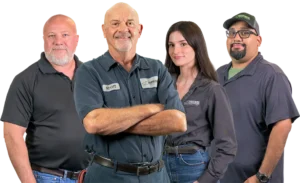 When roadside repair reaches its limit, Ferguson Truck Center keeps your recovery moving.
Ferguson Truck Center provides 24-hour heavy-duty towing and roadside truck repair services throughout Houston, TX and surrounding areas. Whether your truck needs emergency roadside assistance or full heavy-duty towing, our team responds quickly to help reduce downtime and keep your operation moving safely.
From severe engine failures and brake system problems to suspension damage and roadside truck breakdown recovery, Ferguson Truck Center helps truck drivers, fleets, and owner-operators handle emergencies day or night across the Houston area.