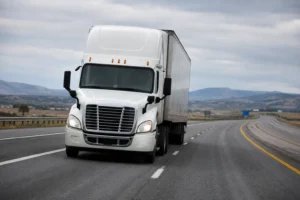
 A semi-truck should go where you point it.
If yours keeps drifting left or right, something is wrong. The obvious suspect is wheel alignment, and sometimes that is exactly the problem. Uneven tire pressure, worn tires, brake issues, and steering or suspension wear can make a semi-truck pull.
Finding the real cause early matters. A small problem with a tire or steering component can eventually turn into ruined tires, damaged parts, more downtime, and a truck that is simply harder to control.
Quick Takeaways
- A pulling semi is not always an alignment problem.
- Tire, brake, steering, and suspension problems can all make a truck pull.
- When the truck pulls can provide clues about what is wrong.
- Ignoring the problem can cause faster tire wear and unsafe handling.
- A thorough inspection can usually identify the problem before it gets worse.
1. Wheel Alignment Problems
Alignment is the first thing most drivers think about when a truck starts pulling.
That makes sense. If the wheels are not pointing where they should be, the truck may constantly try to wander in another direction.
Semi-truck alignment involves several measurements, including toe, camber, and caster. When one or more fall outside the proper range, the steering can feel different. The truck may pull to one side, the steering wheel may sit off-center, or the steer tires may start wearing unevenly.
Sometimes the change happens gradually. Other times, you know exactly when things went wrong.
You hit a pothole hard enough to shake everything in the cup holder. Suddenly, the truck does not track like it did yesterday.
Curb strikes, road impacts, worn suspension components, and suspension repairs can all change alignment.
The important thing is not to assume an alignment adjustment will automatically fix the problem. If worn steering or suspension parts caused the alignment to change, those parts may need attention first.
2. Uneven Tire Pressure
Before assuming something expensive has failed, check the tires.
A steer tire with significantly lower pressure than the tire on the other side can change rolling resistance and affect how the truck tracks. The driver may feel like the truck constantly wants to move toward one side.
Pressure differences can be easy to overlook because both tires may still look fine from several feet away.
Check inflation with an accurate tire pressure gauge rather than guessing by appearance. Compare the readings with the tire and vehicle specifications.
It is a simple check.
Simple checks are nice because every once in a while the problem really is that simple.
3. Uneven or Irregular Tire Wear
A tire does not have to be flat to cause trouble.
Irregular tread wear can change how a steer tire contacts the pavement. Feathering, cupping, shoulder wear, or major differences between the two steer tires can all affect handling.
Mismatched tires can create similar problems. Differences in tread depth, tire construction, or overall condition can make one side behave differently from the other.
This creates an annoying chicken-and-egg problem.
Bad alignment can damage tires. Damaged tires can then make the truck feel like it still has an alignment problem.
Look closely at the tread. Uneven wear patterns often provide useful clues about what is happening farther upstream in the steering, suspension, or alignment system.
Replacing the tire may improve the symptom, but you still want to know why that tire wore badly in the first place.
4. Brake Drag
If your semi pulls mainly when you apply the brakes, start thinking about the braking system.
A dragging or improperly operating brake on one side can create uneven braking force. Instead of slowing evenly, the truck may tug toward one side.
Brake drag can also occur when a component does not release properly after braking. That creates friction and heat even after your foot comes off the pedal.
You may notice:
- Pulling during braking
- Excessive heat around one wheel or hub
- A burning smell
- Reduced performance
- Faster brake wear
This is not something to ignore and see if it fixes itself.
Brakes rarely appreciate that strategy.
A truck that suddenly pulls hard under braking should be inspected before you continue normal operation.
5. Worn Steering Components
There are a lot of moving pieces between your hands on the steering wheel and the tires touching the pavement.
Wear in any of those components can affect how accurately the truck responds.
Possible trouble spots include tie rods, the drag link, steering gear components, and kingpins. Excessive play can make the truck feel loose or require constant steering corrections.
The experience can be subtle at first.
You find yourself making tiny corrections all day. Then one day you realize you have been wrestling with the steering wheel for the last 200 miles.
Loose steering components can also contribute to poor alignment and irregular tire wear. That is why an alignment check should include an inspection of the parts responsible for holding that alignment.
There is little value in perfectly aligning a truck around worn parts.
6. Suspension Problems
The suspension does more than make the ride tolerable.
It also helps keep the axles, wheels, and steering geometry where they belong.
Worn leaf springs, bushings, shocks, or other suspension components can allow parts of the truck to move differently than intended. Ride height problems can also change how the chassis sits and affect alignment angles.
Sometimes the first symptom is poor ride quality.
Sometimes it is uneven tire wear.
And sometimes the truck simply starts pulling.
Suspension wear often develops slowly, so drivers may adapt without noticing how much the handling has changed.
If an alignment keeps going out of specification, there may be a suspension problem causing it rather than an alignment problem occurring on its own.
7. Wheel Bearing Problems
Wheel bearings have a fairly unglamorous job.
They help the wheels rotate smoothly while supporting an enormous amount of weight.
When a bearing develops excessive play or a hub problem occurs, the wheel may no longer rotate or track as smoothly as it should. The driver may notice pulling, vibration, noise, heat, or general steering instability.
Bearing problems can become serious quickly.
Excessive heat around the hub deserves immediate attention. So does unusual looseness, grinding, or vibration coming from a wheel end.
A bad wheel bearing is not something you want to diagnose by seeing how much farther it will go.
8. Improper Trailer or Cargo Weight Distribution
Sometimes there is nothing obviously wrong with the tractor.
The problem appears after you hook up the trailer.
Uneven cargo distribution can change how weight is placed across the truck and trailer. Poor weight balance can affect handling and make the vehicle feel like it wants to favor one side.
Fifth wheel position and overall axle loading can also affect how the combination handles.
This possibility becomes especially important when the truck behaves normally empty but starts pulling after it is loaded.
Pay attention to when the problem appears.
If the truck only pulls with one trailer, one type of load, or a particular cargo configuration, the load itself deserves a closer look.
9. Bent Frame or Axle Damage
Most pulling problems come from more ordinary issues.
Occasionally, the problem goes deeper.
A collision, hard curb strike, severe pothole impact, or other damage can bend an axle or affect the truck’s frame geometry. Once that happens, a standard alignment may not solve the problem.
The technician can adjust the alignment numbers, but those adjustments cannot magically straighten damaged metal.
Structural problems may cause persistent pulling, repeated alignment issues, unusual tire wear, or a truck that never seems to track correctly despite repeated repairs.
If the problem started immediately after a major impact, tell the technician.
That one detail can save a lot of diagnostic wandering.
How to Tell What’s Causing Your Semi to Pull
The way the truck behaves can help narrow down the problem.
These symptoms are useful clues, not guaranteed diagnoses.
A worn steer tire may exist because the alignment has been wrong for months. A truck may pull during braking because of a brake problem, but worn suspension components could make the handling even worse.
There can be more than one problem at the same time.
That is why a complete inspection usually makes more sense than replacing the first part that looks suspicious.
Is It Safe to Drive a Semi That Pulls to One Side?
 It depends on how badly the truck is pulling and what is causing it.
A mild pull from a small pressure difference is very different from a truck that jerks into another lane when you brake.
If the pull is minor and the truck otherwise feels stable, you may be able to carefully get it to a repair facility for inspection. Avoid treating that as permission to finish another week of routes.
Stop driving and get the truck inspected if you notice severe pulling, major vibration, steering looseness, unusual wheel-end heat, grinding noises, brake problems, or difficulty keeping the truck in its lane.
Constant pulling also wears on the driver.
You spend hours correcting the steering instead of simply holding a line. That extra effort becomes tiring, especially during a long day behind the wheel.
The mechanical consequences matter too. Poor alignment and steering problems can chew through expensive tires. Brake or bearing problems can become serious safety issues. Any defect that affects steering, braking, tires, suspension, or wheel-end condition can also create inspection and compliance concerns.
The truck is already telling you something is wrong.
Listening usually costs less than waiting for it to become louder.
How Ferguson Truck Center Diagnoses a Truck That Pulls
A good diagnosis starts with the basics rather than jumping straight to the alignment machine.
At Ferguson Truck Center, the goal is to identify why the truck is pulling before recommending the repair.
A typical inspection may include:
- Check tire pressure and condition. Technicians look for inflation differences, damage, and obvious tire problems.
- Inspect steer tires for abnormal wear. Feathering, cupping, shoulder wear, and tread differences can reveal alignment or suspension issues.
- Examine steering components. Tie rods, kingpins, drag links, steering components, and related parts are checked for wear or excessive play.
- Inspect suspension parts. Springs, bushings, shocks, mounts, and ride height can all affect how the truck tracks.
- Check the brakes for dragging. Uneven braking or a brake that does not release properly can cause the truck to pull.
- Inspect wheel bearings and hubs. Excessive play, damage, abnormal noise, or heat can point to wheel-end problems.
- Measure wheel alignment. Once the mechanical components check out, alignment measurements can show whether adjustments are needed.
- Road test the truck. The final step is making sure the truck actually drives correctly after the repair.
That last part matters.
Numbers on an alignment machine are useful. A truck that goes straight down the road is better.
Frequently Asked Questions
Can one bad steer tire cause a semi to pull?
Yes. A damaged, underinflated, irregularly worn, or mismatched steer tire can make a semi pull to one side.
Compare both steer tires closely. Check pressure, tread depth, wear patterns, tire condition, and whether the tires are properly matched.
Do not automatically blame the tire, though. A worn tire may be the result of an alignment or suspension problem that still needs to be repaired.
Why does my semi pull only when I brake?
Pulling primarily during braking usually points toward an uneven braking condition.
One side may be applying more braking force than the other, or a brake component may be sticking or dragging.
A strong or sudden brake pull should be inspected promptly. Steering and suspension problems can also influence braking behavior, so the entire front end may need to be checked.
Can trailer alignment make a truck pull?
Yes. Trailer alignment and axle tracking problems can affect how the entire combination travels down the road.
A misaligned trailer may dog-track or create handling problems that the driver feels through the tractor.
If the tractor drives normally without the trailer but behaves differently when connected to a particular trailer, that is useful information for the technician.
How often should a semi-truck have its alignment checked?
There is no single mileage interval that fits every truck.
Alignment should be checked when you notice pulling, an off-center steering wheel, unusual tire wear, or handling changes. It also makes sense to check alignment after major suspension or steering repairs and after significant road impacts.
Your tires tend to provide the earliest warning.
If the tread starts disappearing unevenly, something deserves attention.
Will pulling to one side ruin my tires?
It certainly can.
Alignment, suspension, and steering problems can cause irregular or accelerated tire wear. The longer the truck runs that way, the more rubber you may sacrifice before fixing the actual problem.
Considering what commercial tires cost, ignoring a pull can become an expensive experiment.
Your Truck Shouldn’t Need Constant Steering Corrections

A semi pulling to one side is a symptom.
It is not a diagnosis.
Maybe the truck needs an alignment. Maybe one steer tire is low. Maybe a worn kingpin, dragging brake, suspension problem, wheel bearing, trailer issue, or damaged axle is causing the problem instead.
That is why it helps to look at the whole truck and trailer, not just one system.
If your semi keeps pulling left or right, Ferguson Truck Center in Houston can inspect the tires, steering, suspension, brakes, wheel ends, alignment, and trailer components to find the actual cause.
Our truck trailer repair services are designed to catch the problem before it turns into ruined tires, more downtime, or a much larger repair.
Fixing it now usually costs less than finding out how bad it can get.