Diesel engines are designed to work hard. Semi-trucks haul heavy loads, run long hours, and operate in extreme temperatures. But even the toughest diesel engine can fail if heat builds up faster than the engine can cool itself.
Diesel engine overheating is one of the most serious mechanical issues commercial trucks face. When the engine temperature rises above safe limits, key parts like the cylinder head, pistons, and head gaskets can be damaged.
For truck drivers, owner-operators, and fleet managers, an engine that overheats does more than cause mechanical trouble. It can stop deliveries, create expensive downtime, and lead to major repair bills.
Understanding why diesel engines overheat helps drivers spot issues early. It also helps prevent costly problems before they get worse.
Quick Takeaways
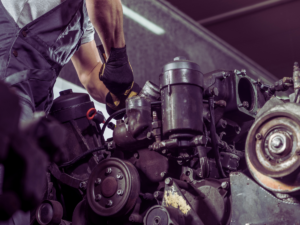 Diesel engines can overheat when the cooling system fails to remove heat effectively
- Low coolant levels and coolant leaks are among the most common overheating causes
- Problems with the radiator, water pump, or cooling fan can reduce coolant flow
- Low engine oil increases friction and raises engine temperature
- Restricted airflow, including a clogged air filter, can contribute to overheating
- Ignoring overheating can damage the cylinder head, head gaskets, and turbocharger
- Routine inspections and regular maintenance help prevent diesel engine overheating
What Is Diesel Engine Overheating?
Diesel engine overheating occurs when the engine temperature rises beyond the safe operating range and the cooling system can no longer remove heat fast enough.
Every diesel engine produces heat while engine running and burning fuel. Normally, the cooling system removes that heat through coolant flow, radiator airflow, and engine lubrication.
Diesel engines naturally run hotter than gasoline engines because they operate with higher compression and heavier loads. This makes temperature control extremely important.
Commercial trucks are particularly vulnerable because their engines operate under continuous stress. Long drives, heavy cargo, and hot climates all increase the risk of an engine to overheat if cooling components fail.
The Most Common Causes of Diesel Engine Overheating
Several mechanical issues can cause a diesel engine to overheat. Most overheating problems begin within the cooling system or lubrication system.
1. Low Coolant Levels
Coolant is responsible for absorbing heat from the engine and carrying it away through the radiator.
If the coolant level drops too low, the cooling system cannot transfer heat effectively. This causes engine temperature to climb rapidly.
Low coolant levels are often caused by:
- Coolant leaks
- Poor cooling system maintenance
- Pressure loss in the cooling system
Even a small coolant leak can allow enough coolant to escape to cause the engine to overheat during heavy operation.
2. Radiator Blockages
The radiator helps engine cool by releasing heat through airflow across its cooling fins.
Over time, dirt, road debris, bugs, and grime can block the radiator. When airflow becomes restricted, heat cannot escape efficiently.
This is especially common in commercial trucks that travel long distances. A dirty radiator can reduce cooling efficiency and cause the engine to overheat during heavy workloads.
3. Faulty Thermostat
The thermostat controls how coolant circulates between the engine and radiator.
If the thermostat becomes stuck closed, coolant cannot circulate properly. Without proper coolant flow, heat becomes trapped inside the engine block.
This can cause the engine temperature to rise fast, especially when the truck pulls heavy loads or runs in hot weather.
4. Water Pump Failure
The water pump plays a critical role in the cooling system by circulating coolant throughout the engine.
When the water pump fails, coolant flow slows or stops completely. Without circulation, heat builds rapidly inside the engine.
Water pump problems often develop gradually but can lead to sudden overheating if ignored.
5. Low Engine Oil
Engine oil reduces friction between moving components while helping carry heat away from engine parts.
When oil levels drop, friction increases between pistons, bearings, and other internal components. This friction creates additional heat inside the engine.
Low engine oil also reduces the engine’s ability to transfer heat away from the cylinder head and internal components.
6. Restricted Airflow
Airflow is essential for cooling diesel engines.
If airflow becomes restricted, the radiator cannot release heat efficiently.
Several issues can cause restricted airflow, including:
- A failing cooling fan
- A clogged air filter
- Debris blocking air passages
Without adequate airflow, the engine temperature can climb quickly, especially during long highway drives.
Warning Signs Your Diesel Engine Is Overheating
Recognizing early symptoms of overheating can prevent serious engine damage.
Temperature Gauge Rising
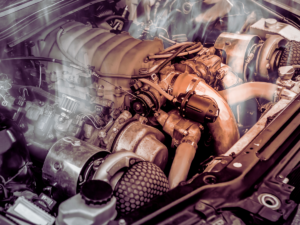 One of the first signs of overheating is a rising engine temperature gauge. When the gauge climbs into the red zone, the engine is overheating.
Steam or Smoke From the Engine Bay
Steam from the engine compartment usually indicates coolant boiling or escaping from the cooling system.
This often occurs when the engine temperature becomes dangerously high.
Coolant Smell or Visible Leaks
A sweet smell around the engine may indicate coolant leaks. Drivers may also notice coolant dripping under the truck.
Leaks reduce coolant levels and disrupt coolant flow.
Loss of Engine Power
Overheating engines may lose power as internal components struggle with excessive heat.
This can occur when heat affects combustion or damages parts such as the fuel injector.
Dashboard Warning Lights
Modern trucks monitor engine systems closely. If the engine temperature becomes unsafe, warning lights may appear on the dashboard.
Drivers should never ignore these warnings.
What Happens If a Diesel Engine Overheats?
Ignoring overheating can lead to severe engine damage.
Extreme heat can warp or crack critical components, including the cylinder head. Overheating may also destroy heads gaskets, leading to coolant and oil mixing inside the engine.
Common overheating damage includes:
- Blown head gasket
- Warped cylinder heads
- Cracked engine blocks
- Turbocharger damage
- Complete engine failure
Once major engine components fail, repairs can become extremely expensive.
What Truck Drivers Should Do If Their Diesel Engine Starts Overheating
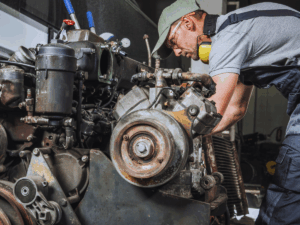 If your diesel engine starts overheating, acting quickly can prevent major damage.
Drivers should take the following steps:
- Pull over safely as soon as possible
- Shut down the engine to stop heat buildup
- Allow the engine to cool before opening the hood
- Check coolant level once the engine cools
- Contact a technician for diesel engine service
Continuing to drive while the engine is overheating can cause catastrophic engine damage.
How to Prevent Diesel Engine Overheating
Preventing overheating starts with proper maintenance and routine inspections.
Regular maintenance helps keep the cooling system operating efficiently and reduces the risk of serious diesel engine problems.
Important prevention steps include:
- Routine cooling system inspections
- Monitoring coolant level and repairing coolant leaks
- Performing regular coolant flushes
- Checking engine oil levels frequently
- Cleaning the radiator and air intake components
- Scheduling professional diesel engine service
Routine maintenance keeps the engine running within safe temperature ranges and helps extend engine life.
Why Diesel Engine Service Is Critical for Commercial Trucks
Commercial trucks rely on diesel engines that operate under extreme conditions.
Professional diesel engine service helps identify cooling system issues before they cause overheating.
Routine service helps:
- Prevent unexpected breakdowns
- Extend engine lifespan
- Reduce downtime for trucking companies
- Improve reliability for long-haul operations
Experienced technicians can diagnose complex diesel engine problems involving cooling systems, fuel injectors, and airflow components.
FAQ About Diesel Engine Overheating
What temperature is considered overheating for a diesel engine?
Most diesel engines operate safely between 190°F and 210°F. If engine temperature climbs above about 220°F, the engine may begin overheating and should be inspected immediately.
Can you keep driving if your diesel engine overheats?
No. Driving while an engine is overheating can quickly damage the cylinder head, pistons, and head gaskets. Drivers should pull over and shut the engine off as soon as possible.
Why do diesel engines run hotter than gasoline engines?
Diesel engines operate with higher compression ratios and heavier loads. This produces more heat during combustion, which is why a properly functioning cooling system is essential.
How long does it take for an overheating diesel engine to get damaged?
Serious damage can occur in minutes if engine temperature continues rising. Components such as the cylinder head and head gaskets can warp quickly when exposed to excessive heat.
What is the most common cause of diesel engine overheating?
The most common cause is low coolant levels or coolant leaks, which disrupt coolant flow and prevent the cooling system from removing heat effectively.
Get Professional Diesel Engine Service in Houston
 Overheating issues often involve complex problems inside the cooling system, oil system, or airflow components. Diagnosing these problems correctly requires experienced diesel technicians and proper equipment.
Drivers and fleet operators across Houston rely on Ferguson Truck Center when their trucks need dependable diesel engine repair. Our technicians specialize in diagnosing and fixing overheating problems in semi-trucks and commercial diesel engines so you can get back on the road quickly.
If your engine is overheating or showing warning signs of cooling system failure, schedule professional diesel engine service with Ferguson Truck Center today. We proudly serve Houston, TX and the surrounding areas, helping truck drivers and fleets stay on the road with reliable diesel engine repairs.