Air brakes do serious work. They stop heavy trucks, loaded trailers, and equipment that weighs far more than the average vehicle on the road.
That means small air brake problems can turn into big safety issues fast. A minor leak can become low air pressure. A weak compressor can leave you waiting for pressure to build. A bad chamber or valve can affect stopping power.
For truck drivers, owner-operators, and fleet managers, early diagnosis matters. It helps prevent breakdowns, failed inspections, DOT violations, and expensive roadside repairs.
Quick Takeaways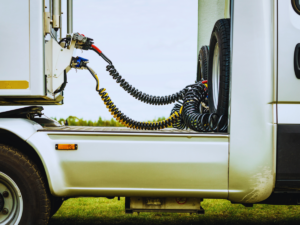
- Air leaks are the most common air brake problem.
- Low air pressure can cause automatic spring brake engagement.
- Faulty air dryers allow moisture to damage brake components.
- Worn brake chambers can reduce stopping power.
- Air compressor issues often lead to slow pressure buildup.
- Regular inspections help prevent roadside breakdowns.
- Most air brake problems show warning signs before complete failure.
What Are the Most Common Air Brake Problems?
1. Air Leaks
Air leaks are one of the most common air brake problems in trucks and trailers.
You may hear a hissing sound near the brake chambers, air lines, fittings, valves, or glad hands. You may also notice the air pressure drops when the truck is parked.
Small leaks should not be ignored. They can make the compressor work harder, slow pressure buildup, and cause low air pressure warnings.
2. Low Air Pressure
Low air pressure can reduce braking power and create a serious safety risk.
Common causes include air leaks, compressor problems, faulty valves, damaged hoses, or moisture in the system. If pressure drops too low, the spring brakes may engage automatically.
A low air pressure warning light or buzzer means the system needs attention now. This is not a “finish the route and hope” situation.
3. Air Compressor Not Building Pressure
The air compressor supplies the pressure your brake system needs.
If the compressor does not build pressure fast enough, the truck may take too long to become road-ready. You may notice slow gauge movement, repeated low air warnings, or pressure that never reaches the proper range.
Compressor issues can come from worn parts, leaks, governor problems, or restrictions in the system.
4. Faulty Air Dryer
The air dryer removes moisture from the compressed air before it moves through the brake system.
When the air dryer fails, moisture can enter tanks, valves, lines, and chambers. That moisture can cause corrosion, sticking valves, and freezing in cold weather.
A bad air dryer can turn one simple maintenance issue into several brake system problems.
5. Worn Brake Chambers
Brake chambers convert air pressure into mechanical force.
When a brake chamber wears out, leaks, or has a damaged diaphragm, the brake may not apply correctly. You may hear air escaping around the chamber or notice weaker braking performance.
A failing brake chamber can affect stopping power and should be repaired before it becomes a roadside problem.
6. Sticking Brake Valves
Brake valves control air movement through the system.
When a valve sticks, brakes may respond slowly, drag, or fail to release properly. Dirt, corrosion, moisture, and internal wear can all cause valve problems.
Delayed brake response is a red flag. The truck may still stop, but the system is not working the way it should.
7. Brake Drag
Brake drag happens when the brakes do not fully release.
This can cause heat buildup, faster brake wear, poor fuel economy, and damage to drums, shoes, or other components. Drivers may notice a burning smell, reduced power, or wheels that feel hotter than normal.
Brake drag can come from sticking valves, weak return springs, contaminated components, or chamber problems.
8. Damaged Air Lines
Air lines carry compressed air throughout the brake system.
Cracked hoses, worn lines, loose fittings, and abrasion damage can all cause air loss. Trailer lines also take abuse from movement, weather, and road debris.
If an air line fails, the system may lose pressure quickly. That can put the truck or trailer out of service.
9. Brake Imbalance
Brake imbalance happens when one brake applies harder or weaker than another.
The truck may pull to one side, stop unevenly, or feel unstable during braking. Uneven brake force can increase stopping distance and make the vehicle harder to control.
Brake imbalance may come from adjustment issues, worn components, contaminated linings, chamber problems, or air delivery issues.
10. Malfunctioning Low Air Pressure Warning System
The low air pressure warning system alerts the driver when pressure drops too far.
If the light, buzzer, switch, or sensor fails, the driver may not get a warning before the system becomes unsafe.
This is why warning systems should be tested during inspections. A brake system problem is bad enough. A silent warning system makes it worse.
11. Frozen or Contaminated Air System Components
Moisture, oil, dirt, and debris can contaminate the air brake system.
In cold weather, moisture can freeze inside lines and valves. In any weather, contamination can cause sticking parts, poor airflow, corrosion, and unreliable brake operation.
A clean, dry air system helps brakes respond correctly and last longer.
What Should You Do If You Notice Air Brake Problems?
Air brake problems should be handled quickly. Some issues allow for a shop visit. Others require you to stop driving right away.
 Signs You Should Stop Driving Immediately
Stop driving if you notice rapid air loss, repeated low air pressure warnings, weak braking response, or brakes that do not release.
You should also stop if the truck cannot build or hold proper air pressure. Air brakes depend on pressure. Without it, the system cannot work safely.
When to Call for Professional Truck Brake Repair
Call for professional truck brake repair if you have persistent air leaks, compressor problems, worn brake chambers, damaged air lines, brake drag, or recurring low pressure warnings.
Guessing can waste time and money. A trained technician can test the system, find the source of the problem, and make the correct repair.
How to Prevent Air Brake Problems
The best way to prevent air brake problems is to inspect the system regularly and respond to small warning signs early.
Drivers and fleet managers should:
- Perform pre-trip inspections.
- Listen for air leaks.
- Watch air pressure gauges.
- Drain air tanks when needed.
- Test warning lights and alarms.
- Check air lines, chambers, and fittings.
- Schedule routine brake inspections.
- Repair small issues before they create downtime.
Air brakes usually give you clues before they fail. Pay attention to those clues.
Why Fast Air Brake Repairs Matter
Fast air brake repairs protect the driver, the truck, the trailer, and everyone else on the road.
They also help reduce downtime, avoid DOT issues, prevent bigger repairs, and keep trucks moving. A small leak or weak component may seem manageable at first, but air brake systems do not reward procrastination.
When the brakes speak up, listen.
FAQ
What is the most common air brake problem?
Air leaks are the most common air brake problem. They often happen at hoses, fittings, valves, brake chambers, glad hands, or damaged air lines.
Can I drive with an air brake leak?
You should not ignore an air brake leak. A small leak can become a larger pressure loss and may affect braking performance. If the truck cannot build or hold proper air pressure, do not drive it.
What causes low air pressure in air brakes?
Low air pressure can come from air leaks, compressor problems, faulty valves, damaged air lines, moisture contamination, or a malfunctioning air dryer.
How often should air brakes be inspected?
Air brakes should be checked during pre-trip inspections and serviced regularly by a qualified technician. Any warning light, leak, slow pressure buildup, or brake performance issue should be inspected right away.
Why does my truck take a long time to build air pressure?
Slow air pressure buildup often points to an air leak, weak compressor, faulty governor, bad air dryer, or restriction in the system.
What happens if air pressure gets too low?
If air pressure gets too low, the low air pressure warning system should activate. If pressure continues to drop, the spring brakes may engage automatically.
How do I know if my air dryer is failing?
Common signs of a failing air dryer include tank moisture and frequent valve problems. Other signs are frozen lines in cold weather, slow pressure recovery, or air system contamination.
Don’t Let Air Brake Problems Park Your Truck
 Air brake issues can quickly take your truck or trailer out of service. Whether you have air leaks, low air pressure, brake chamber failures, or compressor issues, Ferguson Truck Center can help. We offer expert truck and trailer repair services in Houston, TX, and nearby areas.
Our technicians diagnose air brake problems quickly, make reliable repairs, and help keep your equipment safe, compliant, and on the road.
Contact Ferguson Truck Center today for professional truck and trailer brake repair in Houston.